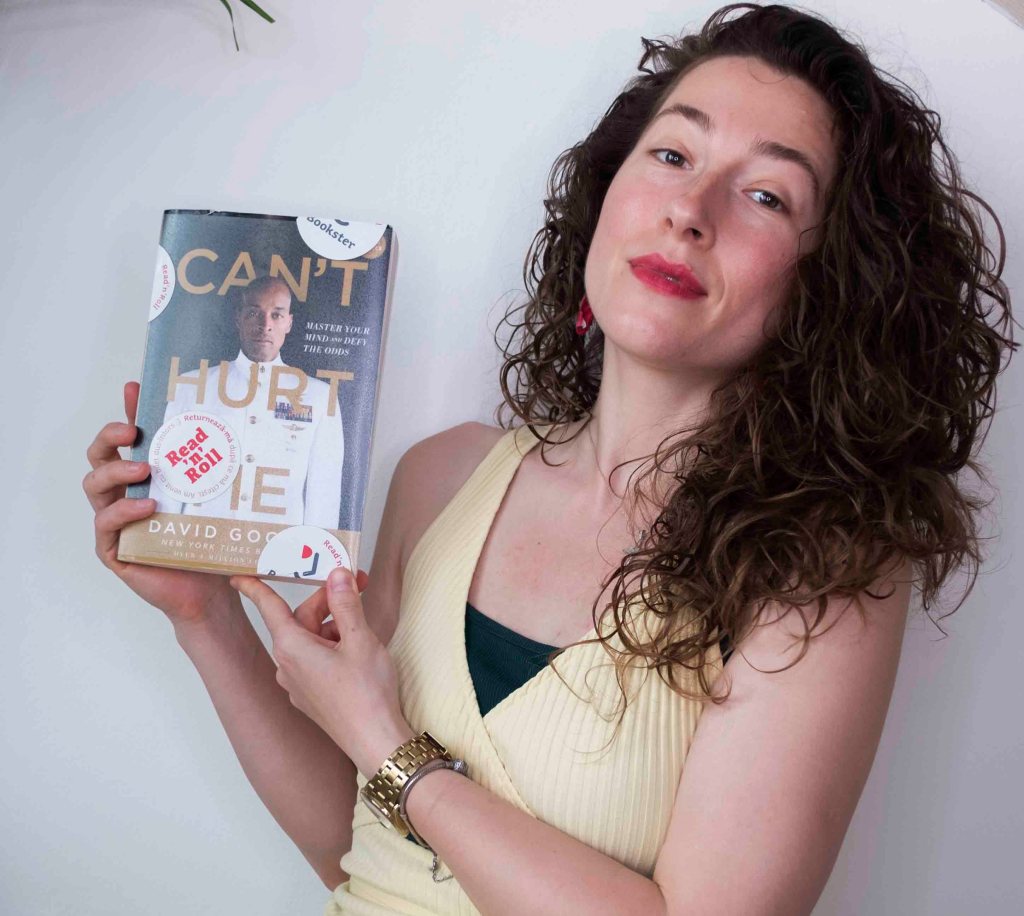
Your trauma is your silent burden
There is a silent force that shapes us—unseen, unspoken, yet etched into every decision, reaction, and pattern of our lives. It isn’t always visible to the world, but it screams within us.
It is trauma.
We joke, sometimes darkly: “How much trauma do you carry? And may I kindly ask this because I want to see if I can handle it?” But we rarely ask such questions aloud. We smile, we perform, we function. Yet beneath the surface, many of us are wounded, walking through life with hearts that never fully healed. I think that no romance would ever be possible if we would show the amount of trauma that we carry at the beginning because most people would be scared to enter into our darkest depths. Yet it is the main cause that prevents us to function well in romantic relationships. The trauma that we do not heal in therapy rules our life and we call the result bad luck or we blame the other.
David Goggins: The Mask of Strength and the Weight of Wounds
When I have read “Can’t Hurt Me” by David Goggins, I expected a tale of triumph and testosterone—an ode to grit, resilience, and physical power. And yes, I found those. But I also found something else: a ghostly ache that lingered long after the final page.
This is more than a David Goggins’ book review. This is a reflection on emotional resilience—and its shadow twin: unhealed trauma.
David’s childhood reads like a storm—an abusive father, a home ruled by fear, a little boy crushed under the weight of violence and control. It was gut-wrenching. It reminded me that so many traumas start not in war zones or accidents, but in living rooms. At the hands of those meant to protect us. A parent figure that becomes scary is something that a child can’t handle.
From David’s story, a painful truth emerges—one many trauma survivors will recognize: when you’re hurt young, you learn to wear an armor. You become tough, unbreakable, even confrontational. You survive by pushing feelings away, by staying in fight-or-flight, by turning pain into productivity.
But the cost is high. When you put on a mask nobody knows that you are hurting and they treat you like you can handle it when in fact all you need is a hug and a shoulder to cry on.
Emotions become foreign. Intimacy becomes unsafe. Vulnerability feels like a threat. So we become distant, angry, addicted to work, addicted to approval. And the inner child—the one who cried in the dark, who just wanted to be held—gets buried deep beneath our achievements.
David Goggins is a legend of mental toughness. But reading between the lines, I felt a deep sadness. I wondered: Has his inner child ever been heard? Has he truly allowed himself to grieve?
Trauma is a silent war. It hides in plain sight—masked by ambition, cloaked in discipline, disguised as strength. But unresolved trauma whispers through broken relationships, chronic stress, and self-sabotage. It tells us we’re not enough. It urges us to keep running, even when we’re bleeding inside. This is why some people rather become sick due to overworking than ever considering to stop and go to therapy.
Goggins himself admits to this. He struggled with self-acceptance, with compassion—both for himself and others. His military career could’ve soared higher, but his rage and rigidity alienated allies. And yet… this vulnerability, when it surfaces, is gold. Because it reveals what many of us are too scared to admit: our wounds can heal without the help of those who created them.
You need to heal your inner child
The most powerful part of “Can’t Hurt Me” is not a story of running ultramarathons or Navy SEAL training. It’s when David begins to see the boy he once was—the hurt, lonely child within—and finally, starts the process of inner child healing. I felt pity for the little boy that David ignored for years.
We often confuse adulthood with maturity. But many adults are simply wounded children in grown-up bodies. We numb the pain with work, addiction, or achievement. We chase promotions or perfect bodies hoping they will fill the void. But healing doesn’t come from external wins. It comes from sitting quietly with our wounds, naming them, and choosing to feel. A traumatized person needs to learn how to feel because they have avoided it for so long in order to function.
It’s okay to cry. It’s okay to rage. It’s okay to not be okay.
Sometimes healing means cutting ties—even with family—when the relationship dynamics are toxic. Many adults are afraid of this because society shames you if you do not get along with parents or siblings as if you’re supposed to drink poison even if it kills you just because a relative gives it to you. Sometimes it means quitting a soul-sucking job. Sometimes it just means sitting still long enough to hear yourself breathe, to remember who you were before the world told you who to be.
This is the heart of trauma recovery: reclaiming your story.
One of the gems in Goggins’ book is his “Cookie Jar” concept—a mental reserve of victories and moments of strength we can draw on in our darkest hours. This, to me, is where his story truly empowers.
Because healing doesn’t mean forgetting the pain. It means transforming it. Honoring it. And using it as fuel.
You don’t need medals or marathon records to heal. You need courage—the kind that lets you whisper: I was hurt. It mattered. And I am choosing to heal anyway.
“Can’t Hurt Me” is a powerful read. But beyond the adrenaline and discipline, I found a deeper call: to embrace our broken parts. To stop hiding behind hustle. To see ourselves not just as warriors, but as humans deserving of softness and healing.
I wish the book had shown more of David’s vulnerability in love and connection—but perhaps healing is a lifelong journey, even for the strongest among us.
So here’s the truth I carry from these pages:
You are not weak because you feel.
You are not broken because you cry.
You are human.
And you are healing.


Leave a comment