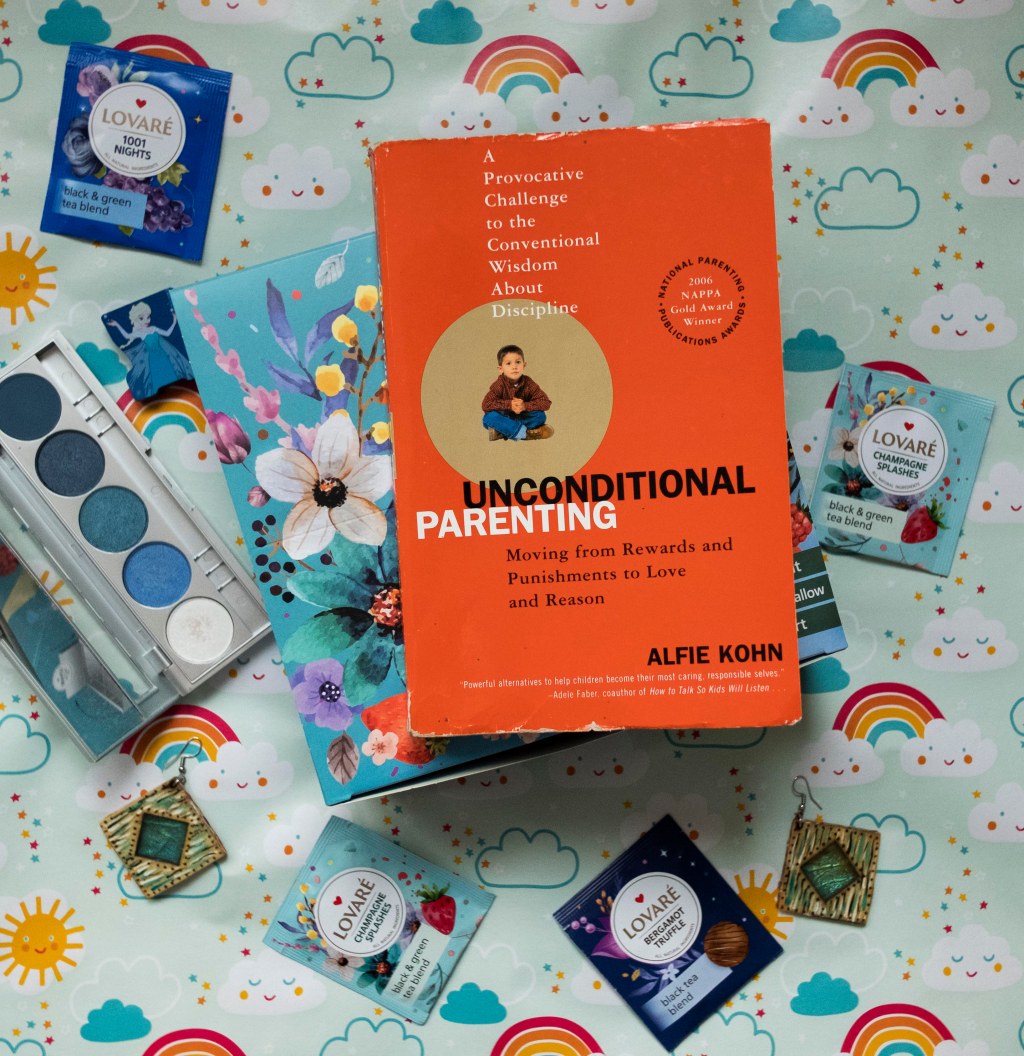
Your child is not your pet
If one should pick two clear ideas that you can get from this book these would be: that “raising kids is not for wimps” and that “when we make children feel powerless, obey by force, threats or punishments, we make them feel helpless”. Alfie noticed that “people fail to flourish when they feel powerless” and using methods which make our children feel like this is extremely perilous.
This book completely changed my perspective about the role of rewards in our educational methods. I often thought that praise, rewards and good behavior go hand in hand. I was wrong and the reasons why these ancient methods fail are brilliantly explained in the book.
Your view about how the world is will shape your parenting style. A study of more than 300 parents has shown that “those who hold a negative view of human nature are more likely to be very controlling with their kids.” Your child becomes that tiny creature that wants to manipulate you, the enemy that you have to defeat. Our adversarial parent-child relationships are a symptom of a hypercompetitive society. The culture also plays a huge role in how we decide to parent and if we will use brute force to impose our way. The more that “people in a culture want kids to obey authority and traditional rules, the more they are inclined to use corporal punishments”. I cringe reading about these studies as I am aware of how beating your children as a way of educating them has been an accepted norm in Romania. It still is. The truth is that the parents who lack power and true influence are the ones that will use coercive methods with their children. Communication requires the honing of a lot of skills, beating someone requires just callousness and brute force. Beating someone who can’t even defend themselves shows the aggressor’s own weakness. Only a weak person would feel powerful by assaulting someone who is by default helpless.
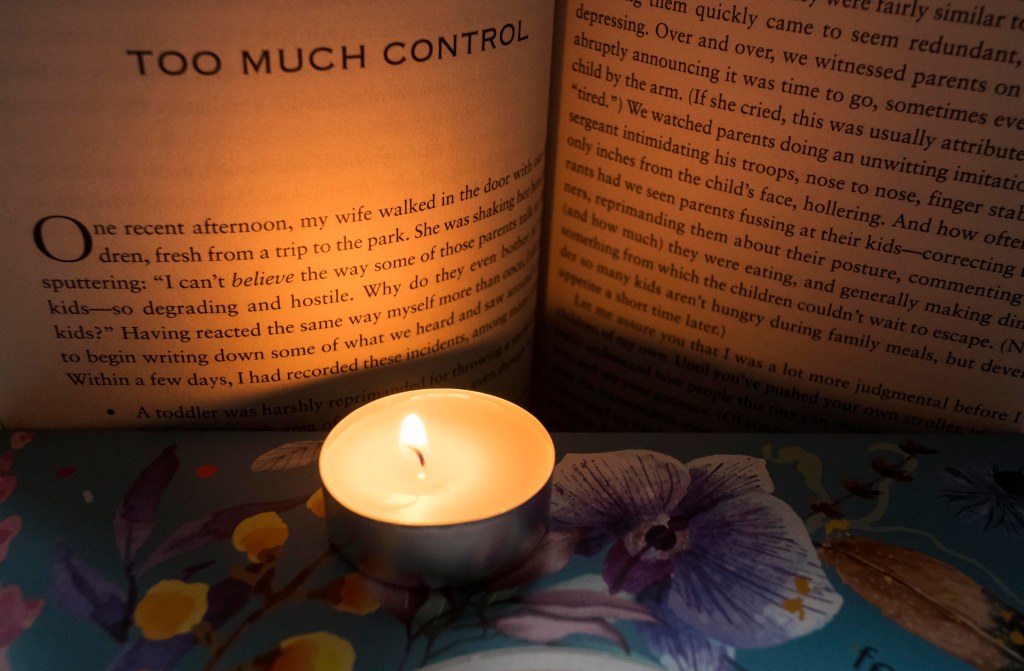
In the introduction of his book Alfie illustrates how our society is looking at the behavior of good obedient children and deems them to be as the role model for how a child should behave. But according to the author “amazingly well-behaved children do what their parents want them to do, and become what their parents want them to become, but often at the price of losing a sense of themselves”. Yes, I sighed and I remembered the numerous times when I saw a child being told: you’re such a good boy, you’re such a good girl! And that praise was being given to the child because they were well behaved, sitting still and quiet. A “good child” is one “who isn’t too much trouble for us adults”. This is a sad image yet it is a reality. We often blame the child for their inability to sit still for minutes or hours in a crowded place yet we fail to blame the real responsible ones: the parents who lack the skills to evaluate the situation in which they put the child and prepare accordingly, taking into consideration the limitations of the child at a particular age.
The biggest alarm signal of today’s world is the degree to which we have accepted conditional parenting as being the norm. Something that should be odd and misplaced has become the normality. Conditional parenting is emotional abuse. “Children are not pets to be trained” and they should not try to “earn our approval”. Studies have shown that mothers who, as children, were loved only because they lived to their parents’ expectations, felt “less worthy as adults” and they tended to use the same approach on their own children. So trauma and parenting style gets passed on from generation to generation.
Love withdrawal and rewards. Do they work?
There are some very popular methods that some parents use and unfortunately they are believed to be really good in helping the child calm down or gain perspective. Time-out is extremely pernicious and I was shocked to find out that this method was “developed almost a century ago as a way of training laboratory animals”. Oh if you would tell a parent that is constantly using this method that they are treating their child like they are a circus animal, they would get offended. Yet this is precisely what a lot of parents use when things get heated. Instead of choosing the superior way, as Daniel Siegel advised, the parent goes all limbic and reacts impulsively.
Love withdrawal is another devastating strategy used by parents. This is worse than power assertion because it threatens the most important thing for a child: connection. A fear of abandonment starts to erode the child’s heart and “older children who are treated this way are more likely than their peers to be depressed”. Everytime when a parent threatens a child that they will no longer love him if he does not do X, Y, Z or decides to send them into their room alone for a time out , a bit of the self-esteem of that child is chiseled off. Maybe the method worked on laboratory animals, but to use it on our children is abysmal. When a child is sent into time-out they do not cool down and relax, on the contrary, they shut down and their fear of abandonment is rising while the adult is feeling victorious. You have gained silence, but at the cost of the relationship.
The word praise is quite a loaded term. We often hear about golden stars promised in schools or different treats and advantages that are promised by the parents if the child does or attains something which the parent demands. Does rewarding someone really works? Is praise truly responsible for raising the child’s self-esteem?

Alfie Kohn demolishes this huge myth and I was intrigued to find out why praise and rewards do more damage than good. First of all we should mention motivation. The only lasting genuine type of motivation which is the best is intrinsic motivation: doing something because you want it, because some inner compass is guiding you. Intrinsic motivation is also long lasting and impervious to outside difficulties: even if it gets harder, you continue to push through. Extrinsic motivation is all about doing something for an external benefit: getting more likes or A’s , earning an advantage, getting someone’s attention, having a gain. But this type of motivation fades off as soon as the reward disappears. As there is no inner fire to fuel your desire, you easily give up. Even worse, as Alfie Kohn discovered,”extrinsic motivation is likely to erode intrinsic motivation”. Isn’t this fascinating? “ The more that people are rewarded for doing something, the more likely they are to lose interest in whatever they had to do to get the reward”. So rewards are like the bad rotten apple which will destroy the joy of simply doing something without any hidden agenda. I agree with the author that “positive reinforcement is a form of conditional love” because rewards and compliments are almost always used only if the child does as the adult expects him or her to do. It is a conditional praise. I have never heard a parent jump in joy if their child brought home a C+ . Not only that, but praising is stealing something precious from the child’s own experience: their personal look on what they did – are they happy, do they like what they accomplished, what is an accomplishment in their own eyes? Self-evaluation is key, yet when we throw a superstar party because of an activity that we deem to be a highly achieving one, we rob the child of this process: they have to question themselves if they like it, if they see it as the accomplishment that we see. With every experience the child builds their self-esteem. And contrary to popular belief, this healthy self-esteem is not contingent on how much someone achieves. When a person has self-esteem they do not see failure as a problem. If we continue to praise children only when they get top results or when they do what we want them do to we set them up for conditional self-esteem. We set them up to be dependant on what others say or do.
In the current times that we are living children are being hurried and overscheduled. Competitions are highly regarded in schools and sometimes even mandatory. Alfie uses the expression “pushed to succeed” to illustrate the hamster’s wheel that makes children run everyday in order to make their parents feel proud. Some of the caregivers are vicariously living through the child’s success or failure and competition has two obvious sides: winners and losers. I thought that competitions and contests are good. But this book demolished another myth in regards to this idea. According to the author, “competition makes self-esteem conditional and precarious, and it has that effect on winners and losers alike”. Competitions “hold people back from working and learning at their best”. So this is the worst invention of them all: to make children compete from an early age! Studies have shown that “the more a child is thinking about grades, the more likely it is that her natural curiosity about the world will start to evaporate”. It makes perfect sense to ignore the process and focus on the outcome when you know that mommy wants that A+ and that a whole array of won competitions will make you win a super golden star from your teacher. Just like our praise and rewards are robbing our children from developing a healthy self- esteem, competition is robbing them of the joy of the learning process itself. We think that we are doing good when we lavish them with praise and with awards when in fact we do a lot of damage.
Which would be the best alternative to stop praising? Alfie Kohn says that “the most effective (and least destructive) way to help a child succeed -whether she’s writing or skiing, playing a trumpet or a computer game – is to do everything possible to help her fall in love with what she’s doing, to pay less attention to how successful she was (or is likely to be) and show more interest in the task”.
Control: how much is too much?
It is easy to impose your will if you are the adult. The child depends on you for their survival. In a lot of cases the child’s question “why?” receives a blunt response from the adult:”because I said so”. We often see children treated with little respect by their own parents. As Alfie noticed “a lot of parents act as though they believe that kids don’t deserve respect in the way adults do”. Studies done by Wendy Grolnick revealed that “controlling parenting is associated with more negative outcomes for children across cultural contexts”. So rage and violence is universal when it comes to damaging the children and even more pernicious are their effects when the socio-economic status is low: “as SES (socio-economic status) declines, rates of parents’ use of corporal punishments rise”.
If you take the role of the observer you can notice how easily adults scream , tease, chastise, belittle or even physically mistreat their children. They would not dare to do the same with an adult. It is an embarassment and a disgrace that in our society kids are treated this way. It is a false belief that the more you control the child the more disciplined he will become. The downside of using this method is that “you never learn to influence”. The more control you feel you need to use for your child the less influence you will have on their lives. Punishments do not work because they make people mad, they lose their effectiveness, they erode the relationship and they distract the child from the important issues. The goal of parents should be to empower rather than forcing children to conform.
It seems like a lot of parents are doing more harm than good, even when the intention is innocuous and directed to the child’s well being. What is truly important though is to allow children to be children. To let them take their time. To allow them to participate in the decision making. To let them go through failure, to learn how to self-regulate, to allow them to take their decisions and give them the respect they deserve. “People who act as though childhood is a race invariably visit a variety of unproductive pressures on their children”. I doubt that when they grow up the kids will remember with love their childhood when they were rushed, punished and criticized and belittled. Imagine someone actually saying “boy, I loved those times”….

Principles of Unconditional Parenting
So after we have found out about the nasty ways in which parents damage their children, some of them being motivated by really good intentions, we need the solutions. If parenting skills are so rusty and inefficient that they’re making our children worse, what’s the alternative?
Alfie Kohn introduces us to a set of principles for unconditional parenting that are meant to be in the best interest of the child. Some of these principles might sound crazy to you or make you raise an eyebrow. Breathe in and accept the possibility that everything that you have done is wrong. There is always a better way of parenting and it is not only your fault if you did some damage. According to Kohn, “a fair amount of research suggests that people’s basic parenting styles are already in place before [they] gain direct experience with their own offspring. These styles are deeply rooted in experiences they had long ago”. Even more shocking to me was to read that “many people continue to pass on the cruel deeds and attitudes to which they were subjected to as children so that they continue to idealize their parents”. Shaking off that generational trauma and bad patterns is difficult. But as long as an adult is open to the possibility of having understood parenting wrong, there can be room for improvement.

Some of the principles of unconditional parenting as suggested by Alfie Kohn are:
– be reflexive: do introspection time and analyse your own motives and reactions
– reconsider your requests
– keep your eye on your long-term goals
– put the relationship first
– change how you see, not just how you act
– respect
– be authentic ( Alfie suggests to “make a point of apologizing to your child about something at least twice a month”)
– talk less, ask more
– keep their ages in mind
– attribute to children the best possible motive consistent with the facts
– don’t stick your no’s in unnecessarily
– don’t be rigid
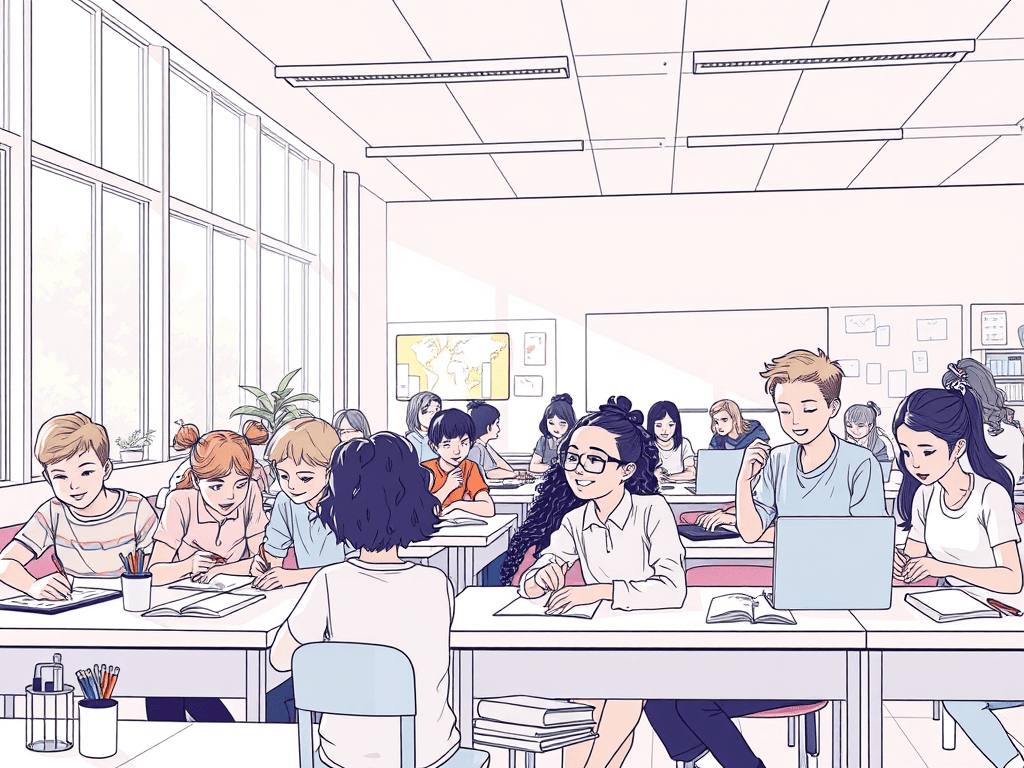
We should definetely rethink schools and how the educational process is taking place. Alfie points out that “school environments are often distinguished by an array of punishments and rewards , with elaborate behavior-management systems, ‘recognitions’ for those who are obedient and sanctions for those who aren’t”. We need to rethink performance and education. I have also found very interesting the concepts of “inductive discipline” (children are induced to think about the effects of their actions on others) and “perspective taking” ( to step outside one’s own viewpoint, to consider how the world looks to someone else). Kohn also noticed that “the best teachers arrange their classrooms so that children frequently learn from one another”. So the culture of competition, of having a winner and a loser is not supportive of the new methods that we have to use in order to change the way we raise our children.
A child needs to learn how to think and make decisions. Imagine the effect of years “filled with examples of mutual problem-solving, then compare that to years of having the parent make all the important decisions”. If treated with respect, children respond in the same way.
We also need to take into consideration the socio-economic factor. You might find these informations shocking, yet they explain a lot of the malfunctioning within our society in regards to parenting techniques: Melvin Kohn has shown that “working-class parents are more likely to raise their children to conform to rules and respect authority – and to use punishments to achieve these goals – whereas middle-class, notably white-collar parents are more likely to want their children to be self-directed and autonomous decision-makers”. Can you now see how the trauma of parenting the wrong way gets transmitted through generational poverty? I believe that this book did a great job at putting into a bigger perspective the issue of raising your child right and having the proper skills and financial means to do so.
I find it essential to include some advices that Alfie Kohn gave for the moments when kids resist to what you tell them, despite your best parenting approach:
– use the least intrusive strategy
– be honest with them
– explain the rationale ( “people of any age are entitled to a reason when someone is limiting their options” – I couldn’t agree more as we should treat children with the respect we would treat a fellow human being)
– turn it into a game
– set an example
– give them as much choice as possible
I think that the idea of not using praise and competitions and popular methods as time-out and love withdrawals are one of the most important ideas brought into the educational field by Alfie Kohn. As we live in a society where everyone wants to know who the winner and the loser is we need more authentic and efficient methods to teach our children of the true value that they possess, a value which is not dependant on how anyone thinks about them, including their own parents.
HERE YOU CAN FIND A SHORT REVIEW FOR THIS BOOK
HERE YOU CAN FIND A LONG ,IN DEPTH, CHAPTER TO CHAPTER, REVIEW OF THIS BOOK




Leave a comment