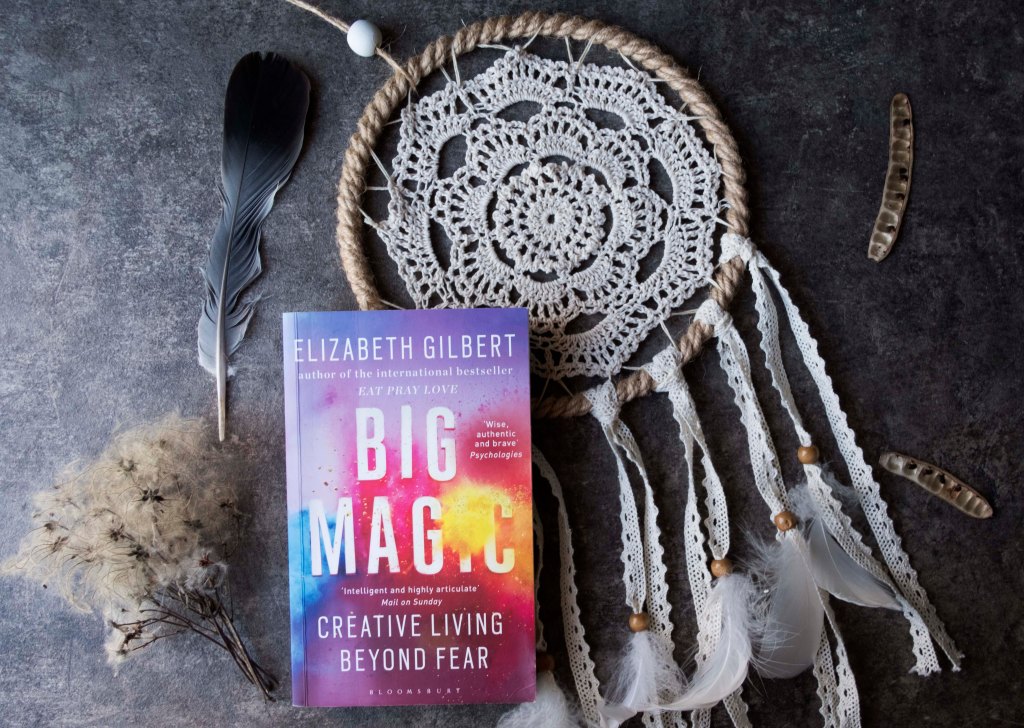
I wish I could be more creative. I believe this is one thought that many of us have experienced at least once in a lifetime.There is an ongoing myth around creativity, an old belief that it is a special gift assigned only to a few individuals, especially chosen by the universe. Elizabeth Gilbert demolishes this belief in her book “Big Magic”. You are born a human therefore you are intrinsically creative or as the author says it :“we are all walking repositories of buried treasure”. Imagine that you are like a mine. Plenty of treasures and precious minerals lie dormant in you, waiting for you to discover them and to tap into the ore of your golden talents. I really loved how the author managed to see beyond the veil of inaccessibility which cloaked creativity for far too long and take the concept to the level that it deserves: our own- “Are you considering becoming a creative person? Too late, you already are one. To even call somebody “a creative person” is almost laughably redundant; creativity is the hallmark of our species.”
A long video review of this book that you can watch on my Youtube channel:
Elizabeth wrote this book for her, not for me or for you. This was liberating in itself to know. Far too many authors believe that they must write in order to help others. Please don’t. Many of us, normal Jane and Joe, have gone through a phase in which we believed that it must be us who will help someone by our grueling efforts. The world needs more creators and less martyrs when it comes to writing and the creative fields.
Being a writer and making a living out of it is a path for the brave. This book is filled with funny recollections from the author’s own life. Elizabeth did not come from an artistic background: her mom was nurse, her dad an engineer, her maternal grandfather a dairy farmer, her paternal grandfather a furnace salesman and her grandmothers were housewives so she did not grow up in a family of artists. She changed multiple jobs throughout her lifetime in order to support herself. She received a plethora of rejection letters when she sent her work to be published. She even made fun of it, feeling a sense of achievement just because an editor bothered to write the rejection letter. Only after the publishing of three books and having one of them become a bestseller ( I talk about the all known “Eat.Pray.Love”) did Elizabeth choose to become a full time writer. To make your passion, the thing you love doing the most, the object of pecuniary goals is not worth doing. If you put pressure on yourself to make your art, your writing, your sculptures, your baked pies or whatever creative endeavor you have to produce you money you are making a mistake. Elizabeth says it is much better to make sure that you win your bread and butter from a steady source of income so you would not put pressure on your gift to perform and pay the bills. If it does it is fabulous. But not all artists become famous or get paid well. I think this is a very good point made by Elizabeth as I think that this sort of financial pressure put on the talent has made many artists resent creating in the first place: why bother if it doesn’t pay the bills?
Another important detail that really drew my attention in this book is the chapter about the tormented artist. There is a pervasive toxic belief amongst artists that you must suffer in order to be creative. Substance abuse, bad relationships, antisocial behaviour, isolation, pain and anguish, all of these are the “tools” used by some artists to enter the state of suffering from which the spring of creativity emerges. This is wrong. As Elizabeth states –“since when did creativity become a suffering contest?” –creativity has nothing to do with suffering. You can be perfectly happy and create the most wonderful work of art. You can be in a loving relationship and still write beautiful poems. Unfortunately many extraordinary and talented people have lost their lives too soon by giving up to this obsolete myth – in order to create something of value you must have pain in your life. It takes bravery to expose this myth and to demolish it and I think we need more books about this theme as there is still a prevalence for this type of mentality in the artistic world.
There is one element in the book that I disagree with thought. The idea that “creative fields make for crap careers”. I don’t think it is entirely true. Yes, the road to becoming a highly paid art director might be a bit bumpy. Yes, it might take many years until your paintings finally get seen into an art exhibition. But to say that being in the creative fields is automatically a death sentence is wrong. The field is indeed unpredictable and changes much faster. It is much safer to work as an accountant than to write screenplays or as the author says “the arts are not a profession, in the manner of regular professions. There is no job security in creativity , and there never will be”. Nevertheless the spiritual gains from pursuing what you like compensate for the struggle.
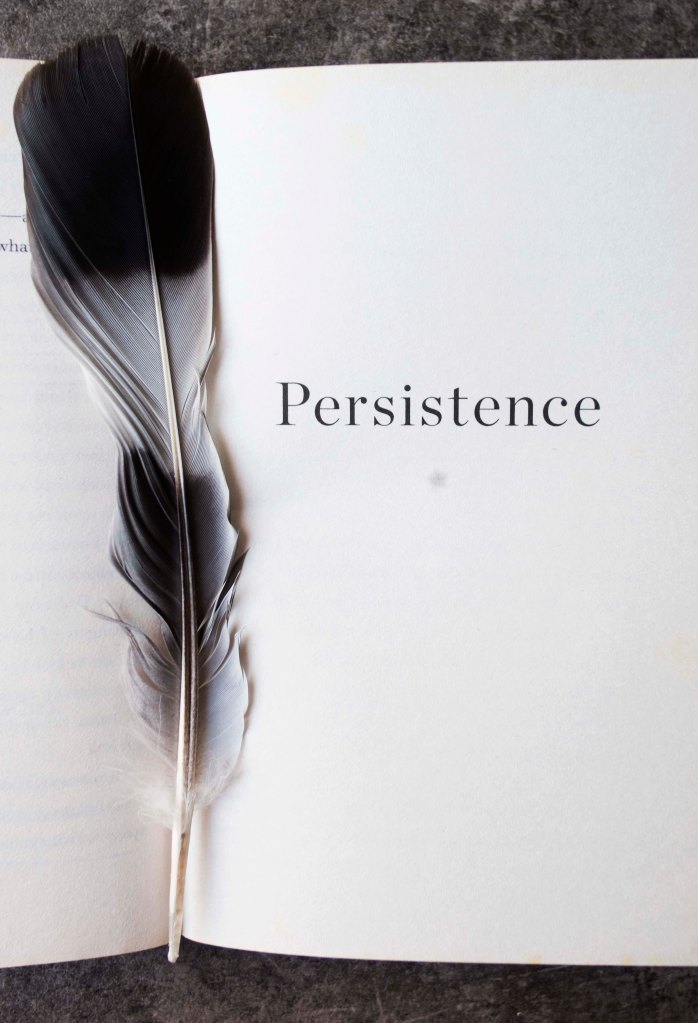
I look at this book as a the permit to freely create that many undiscovered talents yearned for. To see that a world known author sees creativity as normal as tap water is beautiful. To read about her struggles and funny adventures before she got known is nourishing for the soul. In the end we are all free to create and Elizabeth ends her book with the pivotal idea that we all must take from her writing: “You were born to create, regardless of the outcome.”

Leave a comment