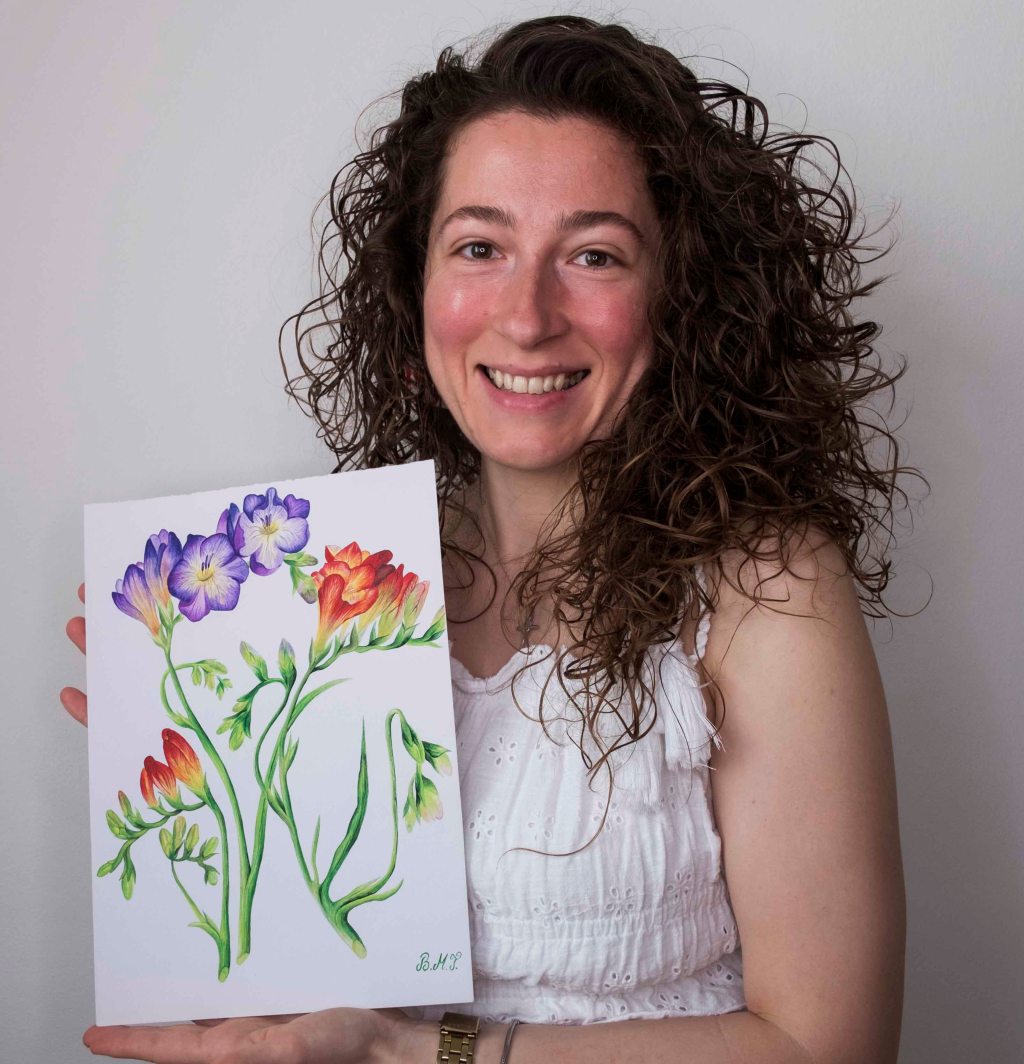
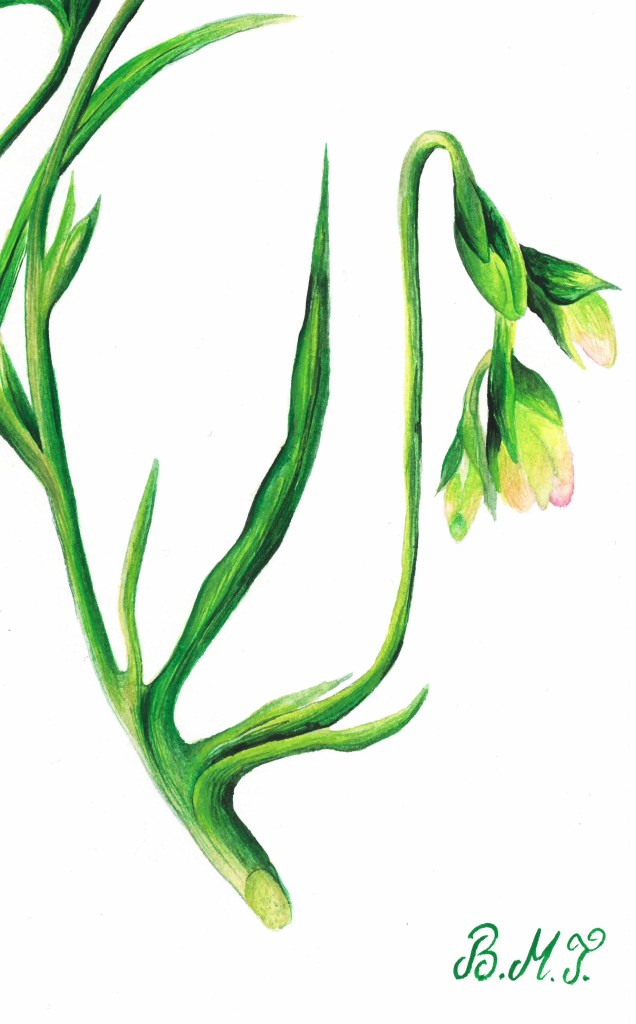
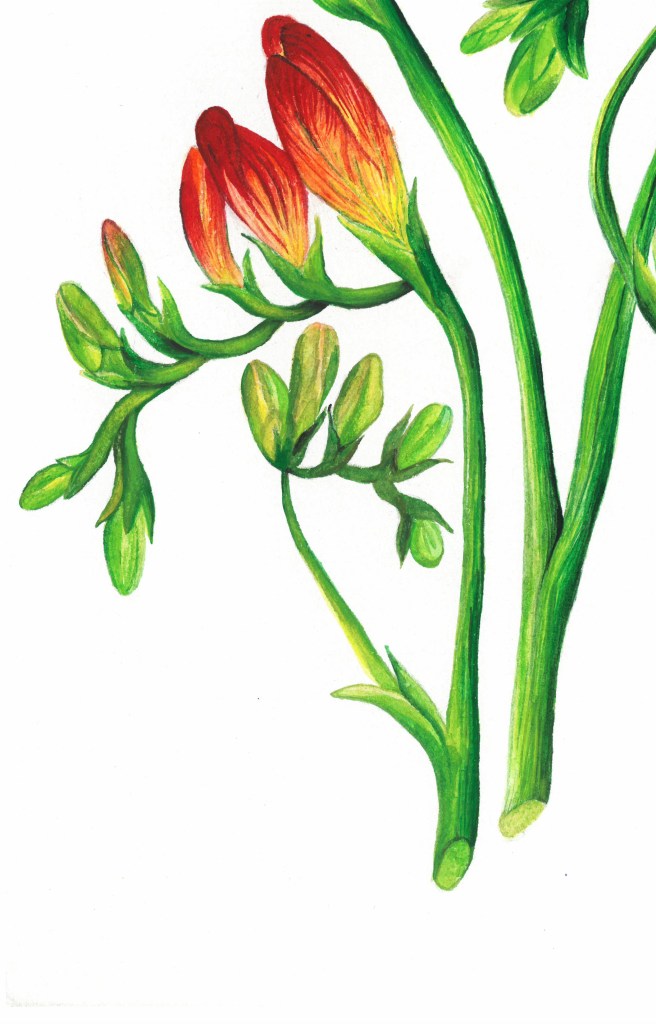
In my newest botanical watercolor illustration, the freesia blooms—not merely as a flower, but as a whispered poem from nature herself. With delicate petals rendered in soft washes of rose and ivory, this artwork is my homage to a bloom that embodies purity, trust, and timeless elegance. These are my favourite flowers.
A Botanical Watercolour Study
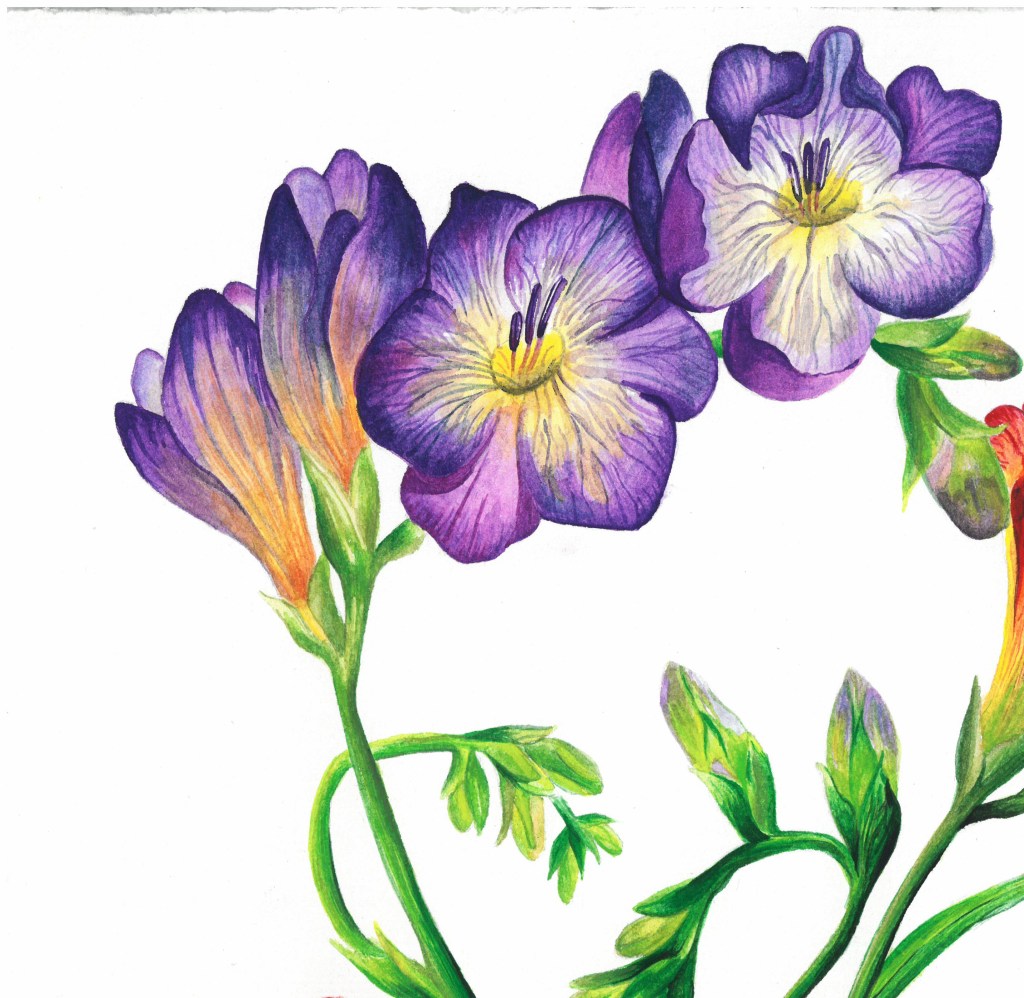
Botanical watercolour art demands a tender balance of science and soul. In painting the freesia, I aimed to capture not only its anatomical perfection—its trumpet-shaped petals, arching stems, and vibrant hues—but also its emotional resonance. This isn’t just watercolour flower art; it is a moment crystallized in pigment and memory. This flower is delicate and I wanted to illustrate its fragility in my artwork.
The Language of Freesias: Symbolism in Bloom
Freesias are more than ornamental delights. They have carried meaning across cultures and centuries. Traditionally, the white freesia stands for innocence and purity—ideal for weddings and tender gifts. The pink variety expresses gratitude and delicate affection, while yellow freesias are tiny sunbeams of joy and renewal.
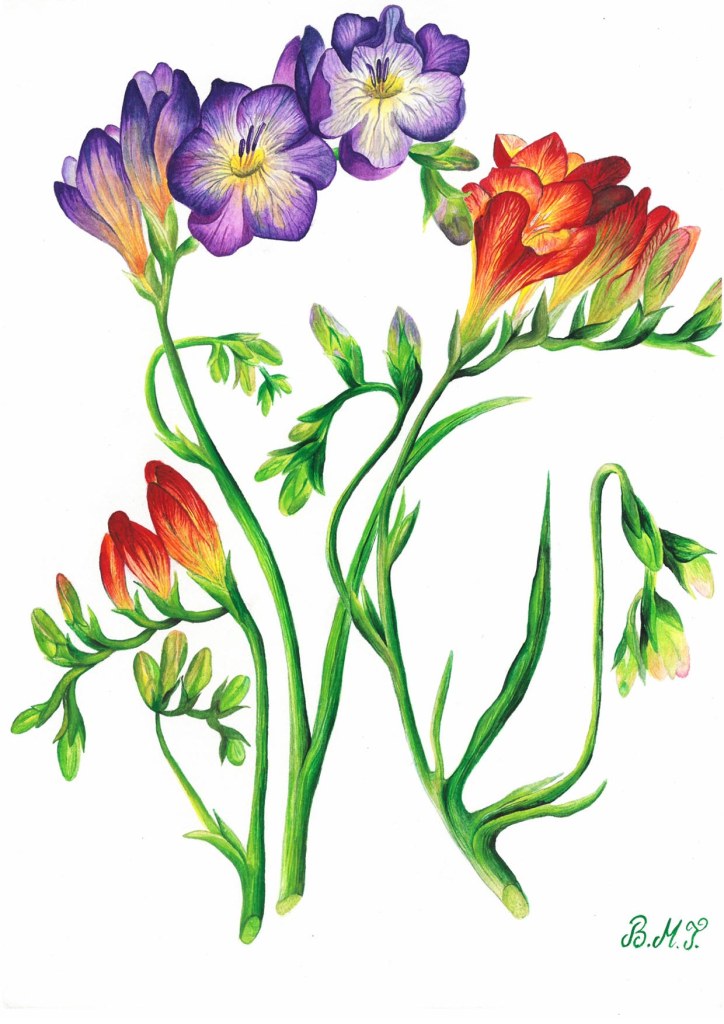
Often associated with the seventh wedding anniversary, freesias symbolize trust and enduring friendship—an idea I tried to thread through each stroke and shadow in the painting.
Source: Flying Flowers – Freesia Meaning and Facts
Nature’s Architecture: The Freesia Flower’s Design
Freesias are marvels of evolution. Native to South Africa, these fragrant blooms have evolved to attract pollinators with vibrant color and perfume. Their petals act as visual lures, while the fragrance pulls in bees, butterflies, and hummingbirds. In my artwork, I echoed this sensory richness—each petal a note in a visual melody.
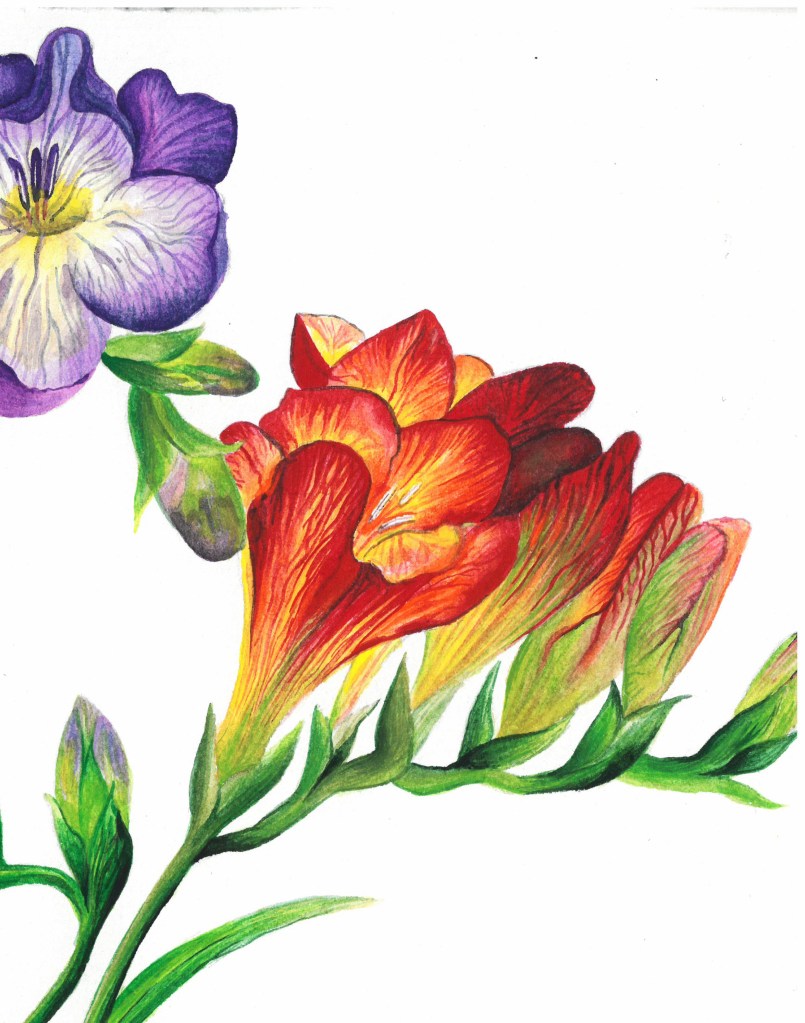
These blooms also possess a fascinating ability to self-pollinate, ensuring their survival even in the absence of pollinators. That duality—beauty and resilience—inspired the contrast of softness and strength in my painting’s color palette.
Source: Greg – Freesia Pollination Guide
From Soil to Scent: Facts Behind the Flower
The freesia is a flower of quiet strength. It thrives best in cooler climates under 21°C and bursts into bloom in spring. Red and pink varieties are especially known for their strong, sweet fragrance, which has made freesia a cherished ingredient in perfumes, candles, and bath products. Oh how I love to sniff this flower and let its perfume stay in my nostrils forever!
To paint a freesia is to paint scent and story, past and present. I chose soft layering techniques to suggest aroma and movement—inviting viewers to see the fragrance as it wafts from the paper.
Source: Clare Florist – 8 Fascinating Freesia Facts
Why Freesia? Why Now?
Freesia offers a metaphor for hope—quiet, persistent, and tender. In a time when we seek beauty that heals, reconnects, and honors nature, this flower stands tall as a gentle reminder of resilience and renewal. For botanical art lovers and watercolor enthusiasts alike, the freesia holds endless inspiration.
Let your eyes wander the petals. Let your soul breathe the fragrance. This painting is more than a still life—it is a story of trust, beauty, and the language flowers speak when words fall short.
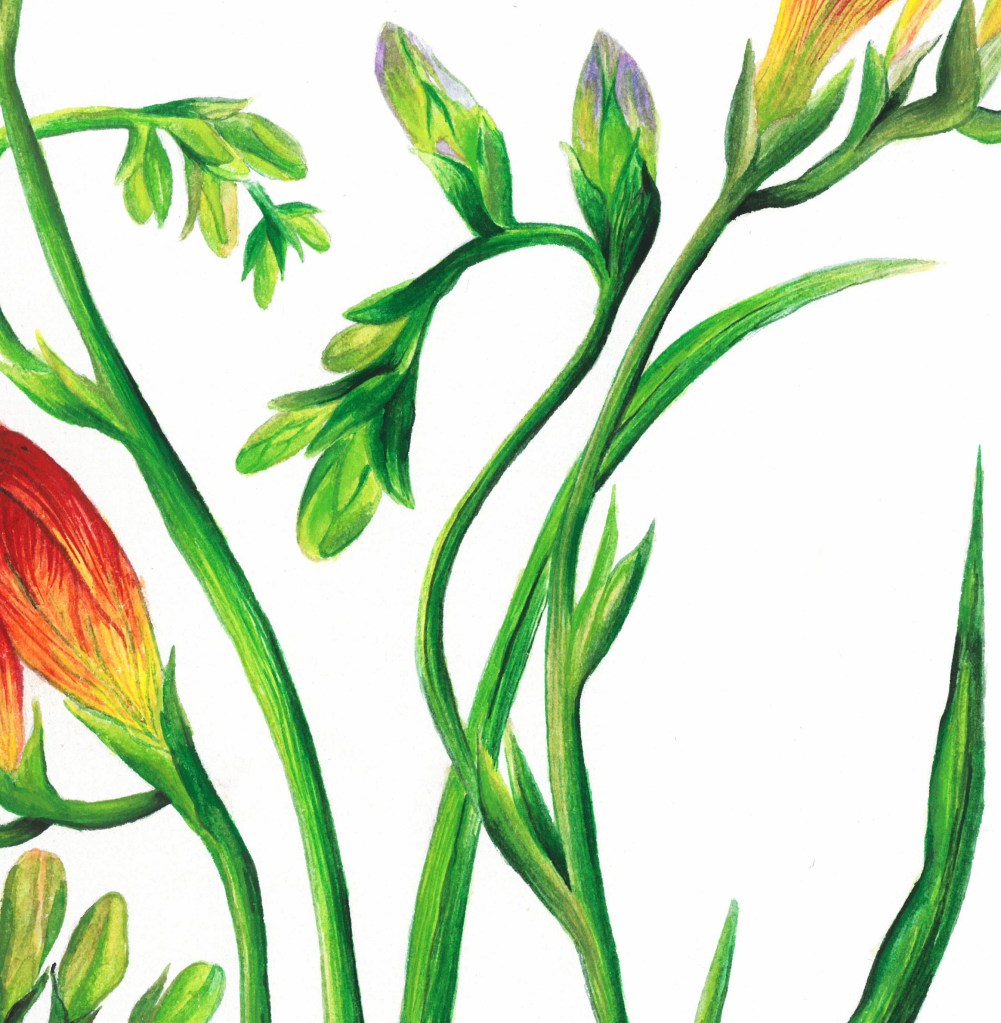

To explore this artwork or inquire about prints and commissions, feel free to get in touch.



Leave a comment