Discover the Power of Animation: A Journey Into the Soul
There’s something uniquely touching about watching an animated film, a profound experience that often stirs the soul more deeply than live-action movies ever could. As an adult, I’ve learned the importance of staying connected with my inner child—the part of me that longs to witness the beauty, wonder, and color of animated worlds.
Totsuko
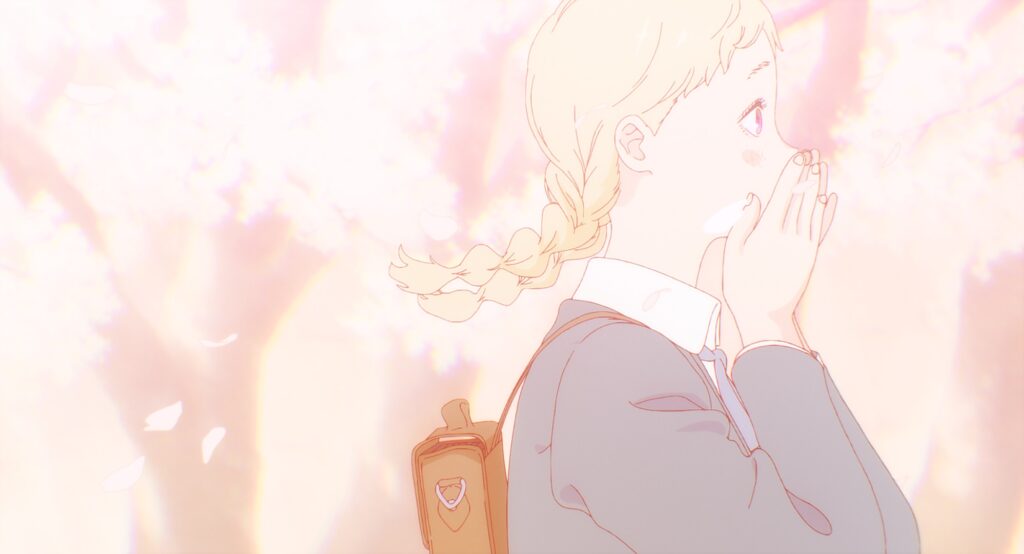
I won’t lie—this particular movie touched my heart deeply. It made me feel emotions I didn’t expect from such a simple animation. What if you could not just see colors but feel them? What if you had the magical ability to peer into someone’s soul through the colors of their aura, revealing their true, unspoken story?
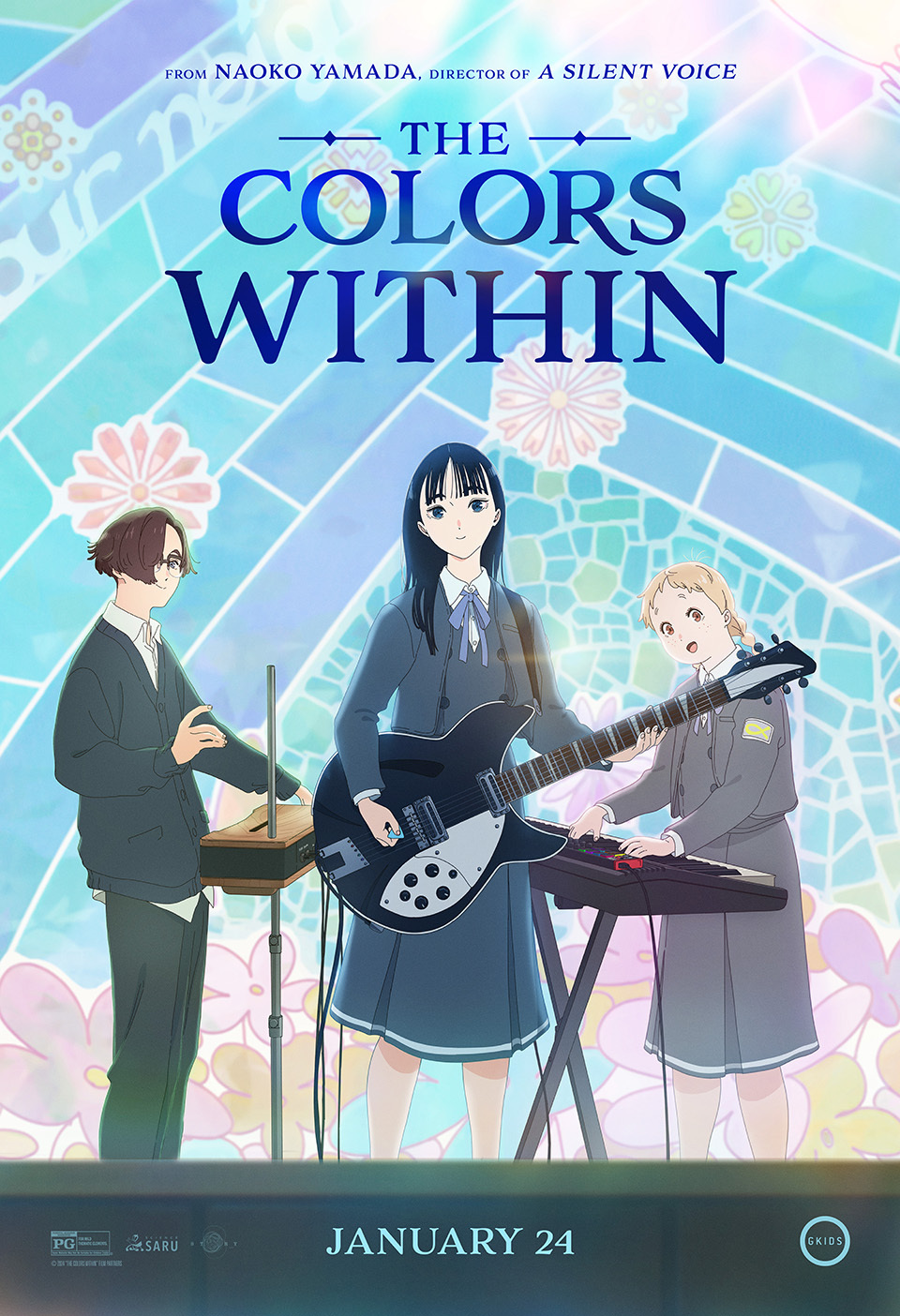
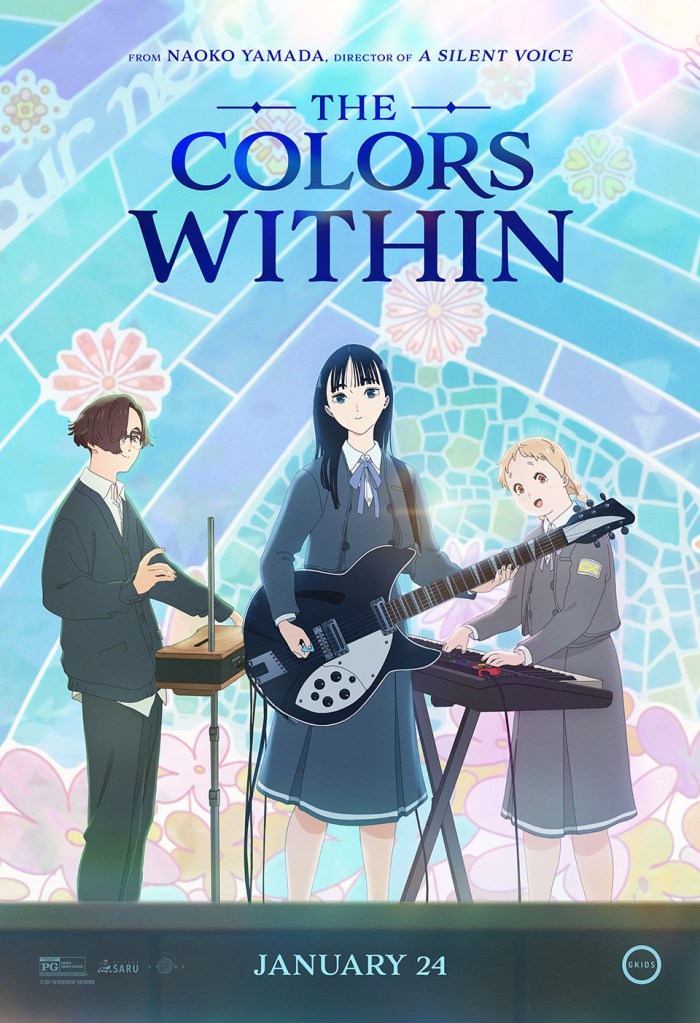
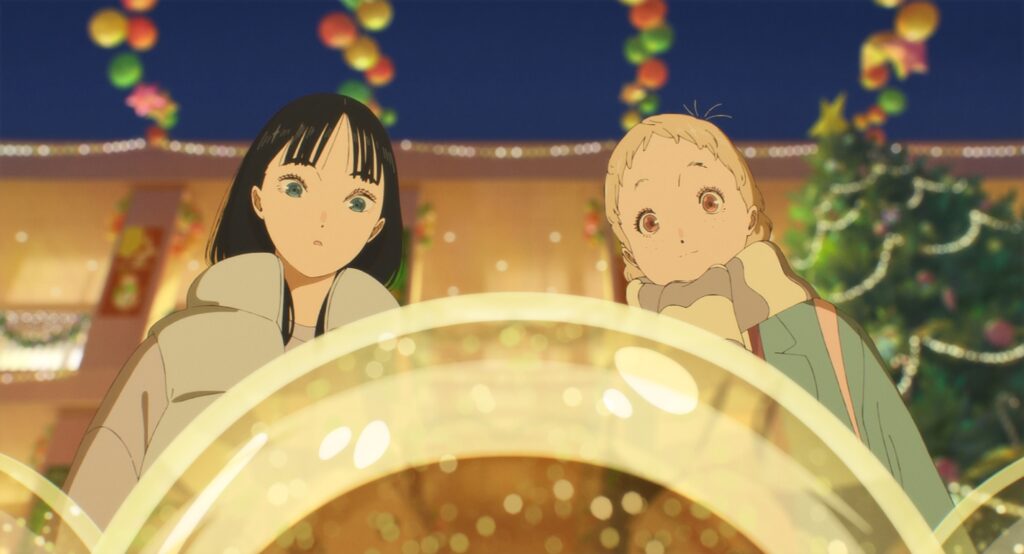
This is the powerful premise of the film “The colors within” directed by Naoko Yamada, and it’s where we meet Totsuko Hiragashi, the story’s heroine. Totsuko sees the world in vibrant hues—each person’s aura revealing their emotional depth. Set in a Christian all-girls high school, the story unravels as Totsuko becomes captivated by the aura of Kimi Sakunaga, one of her classmates. Kimi’s aura is a striking blue—mysterious and beautiful.
Then one day, Kimi vanishes. She stops coming to school, and this sudden absence shakes Totsuko. Kimi, who had been a standout student and a key member of the school choir, seems to have disappeared without a trace. Totsuko, driven by a sense of urgency, embarks on a mission to find her.
Kimi

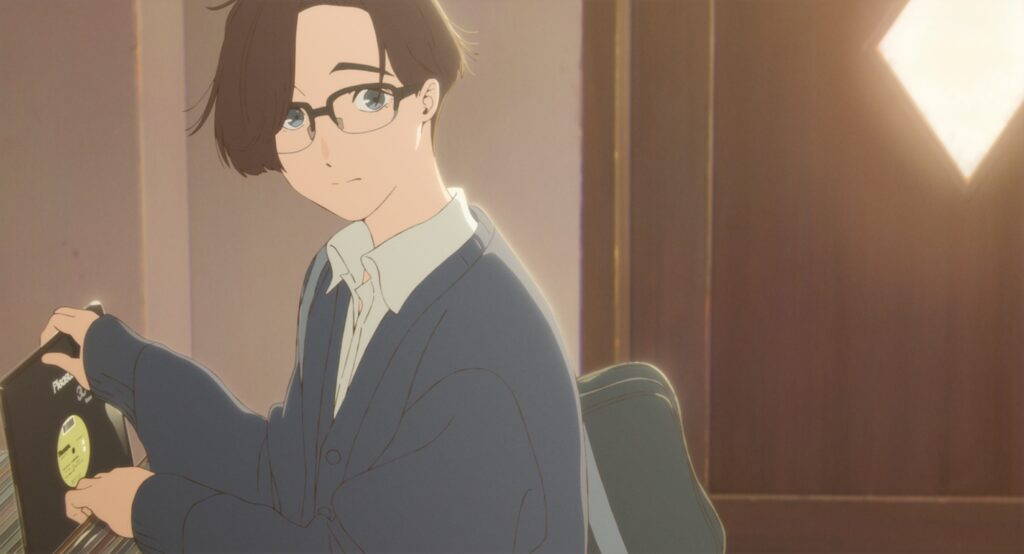
Guided by a white cat, Totsuko discovers Kimi hiding in a humble thrift bookstore. But the story takes a magical twist when a new character enters: Rui Kagehira, a tall, shy boy who feels out of place in this world of girls. Rui stumbles upon Kimi’s guitar, which she had been practicing with. Totsuko, eager to avoid appearing as a creepy stalker, falsely claims she only plays the piano to justify her presence.
And then, magic happens. Rui, with a gentle smile, suggests they form a band—a simple idea that sparks a beautiful adventure. Totsuko’s joy is contagious as she eagerly agrees, and from this moment, the trio begins an emotional journey filled with dreams, music, and friendship.
Rui
The Hidden Power of Dreams: Self-Discovery Through Music
The three young souls—Totsuko, Kimi, and Rui—share a common pain: the fear of pursuing their true passions. In a world that pressures them to conform, they each struggle with their God-given talents. Kimi, with dreams of songwriting and music, hides her abandonment of school from her grandmother, who raises her. Totsuko, who once adored ballet, gave it up due to the pressure of not being the best. Rui, bound by family expectations to follow a medical career, secretly loves playing the theremin—a unique and beautiful instrument.
But there’s something that binds them—their souls glow with the colors of untapped potential. Totsuko, with her gift of seeing people’s auras, watches as her friends’ hidden colors unfold. As the band begins to form, they must defy not just the school’s rules (which prohibit boys and girls from being in a band together), but also the societal norms that have forced them to hide their true selves.

Even Sister Hiyoshiko, a nun at the school, begins to sense the power of their music. She chooses to bend the rules, supporting the children in their pursuit of a musical dream, even if it means stepping outside the rigid structures of their faith.
A Heartfelt Exploration of Friendship and Vulnerability
At the heart of this animation lies the theme of friendship. Each of the protagonists is a lonely child—misunderstood, isolated, and longing for connection. The film poignantly explores the emotional complexity of being the “outcast” in school—the one who sits alone, yearning for a genuine bond.
In one scene, Totsuko and Kimi find themselves trapped on an isolated island during a winter storm. Rui, rather than return to the safety of his home, stays by their side in an abandoned church, bringing them blankets and comfort. When he calls his mother, his voice trembles as he says, “Mom, I finally made some friends.” This moment resonated with me deeply. As an adult, I can understand the power of true friendship, especially during those dark, lonely times when it feels like there’s no one to turn to.
The Magic of Dreams: Unleashing Your Inner Colors
This film is more than just an animation about a girl who can see colors—it’s a celebration of the human spirit, the desire to create, and the magic that happens when we allow ourselves to follow our passions. Totsuko, for example, only discovers her true color when she dances passionately, embracing the joy of movement without fear of judgment. It’s in these unguarded, spontaneous moments of self-expression that we discover our true essence.
As adults, many of us lose touch with our inner child—the one who dreamed freely and without limitations. We are told to follow a “practical” path, often stifling our creativity and passions in the process. How many musicians, dancers, and artists have been forced to abandon their dreams in favor of more “realistic” careers? Imagine if those same parents could look into their child’s heart now and feel the sadness of that dream unfulfilled.
The movie gently reminds us: Human beings are born to create. We are meant to dream, to express, and to become our fullest selves. When we deny our true colors—the essence of who we are—we rob ourselves of the pure joy that comes from doing what we love.
Embracing the Inner Child: A Call to Action
This film calls us to acknowledge our inner child—the one who still holds dreams, desires, and unspoken wishes. It urges us to listen closely to that part of ourselves, especially when we feel lost in the world as adults. Your inner child might be calling to you, urging you to embrace your talents, your passions, and your true calling.
Perhaps you’ve been ignoring your gifts because society or your family told you they were impractical. Maybe you’ve long forgotten what it feels like to be truly alive when doing what you love. This movie is a reminder that it’s never too late to reconnect with your inner child and pursue your dreams.
As Sister Hiyoshiko once told Totsuko, “Even songs of suffering can be holy.” Sometimes, we must allow ourselves to break the rules, to bend the norms, and to embrace the spiritual calling of our own dreams.
So, I ask you: Do you dare to see your own color? Will you listen to your inner child, who has been waiting all these years for you to step into your true power? It’s time to take the leap—to dream in colors and discover the magic within.
- Source of images:https://gkids.com/films/the-colors-within/


Leave a comment