
The question hangs in the air, like a bittersweet melody: Should I leave my country? It’s a question many of us who have experienced the pull of emigration know too well. A love-hate relationship with one’s homeland is not uncommon. Growing up in an Eastern European country can sometimes feel like walking a tightrope between deep-rooted love for your origins and the undeniable desire to escape.
If you’ve ever had the courage to leave Romania, to taste life abroad for a few months, only to return, you know exactly what I mean. Those who have stepped outside the borders of their hometowns have gained a unique perspective, a reference point that gives them the clarity to make a fair judgment. After all, how can one truly appreciate the beauty of their own place if they have never ventured to see the world? Some are content in their villages, while others live in constant longing, asking themselves, What if…?
I, too, have journeyed back and forth, each return stirring new reflections. My experiences in Nordic countries have revealed to me the vast differences in mindset, lifestyle, and safety. As a woman, one of my greatest concerns is security. How safe do you feel walking the streets, day or night? Can you dress freely without the lurking fear of becoming prey to unwanted attention? In some corners of the world, like India, it’s unsafe for women to even visit a public toilet. These are questions that matter when deciding where to call home.
Another crucial factor that weighs heavily on my heart is maternity leave. The first few years of a child’s life are sacred, a time that should be spent nurturing and bonding. The idea of returning to work just three months after giving birth is a terrible concept to me. Yet, for many, this is a reality in “developed” countries. Before chasing financial success, one must first decide what kind of family culture they wish to create and the role they want to play in their children’s lives. A career-focused life might leave little room for nurturing, and many of us know that the true richness of life lies not in the numbers of a paycheck but in the warmth of family connections.
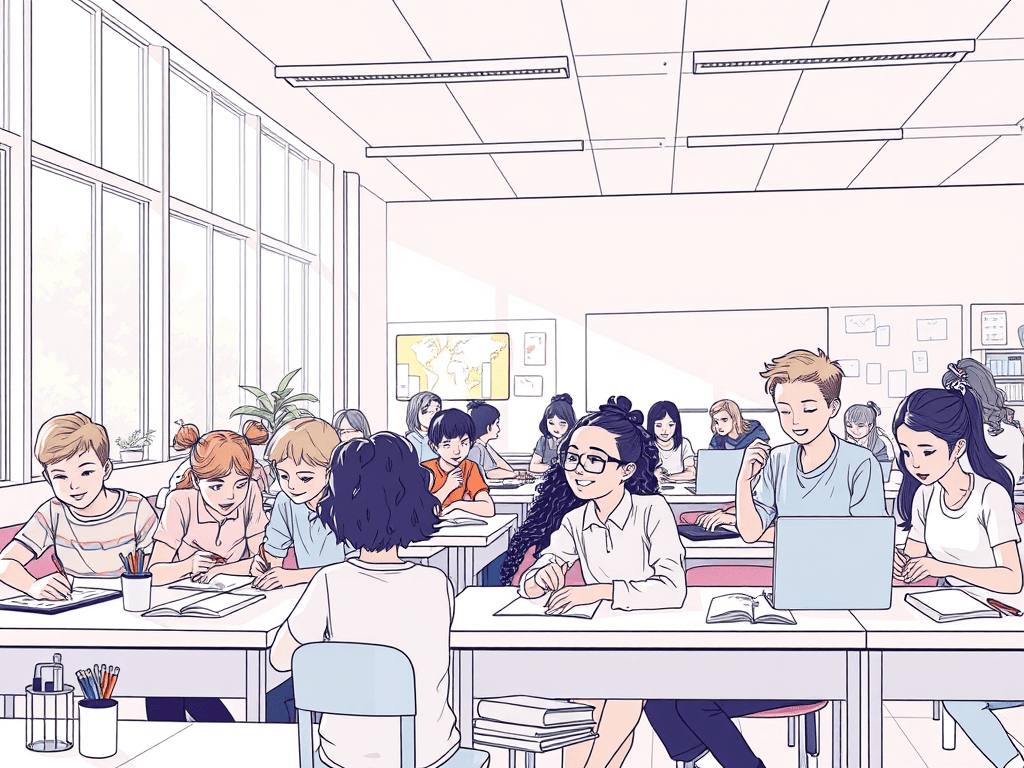
Education, too, holds tremendous weight in this decision. Where will your child grow up? What kind of education will they receive? Will they be guided by compassionate, skilled educators, or will they be left to navigate outdated systems? I know that in many Eastern European countries, and even in places like the USA, the educational system is flawed, often outdated. Schools may follow an industrial model that stifles creativity and life skills. I would never place my child in an education system where their future could be compromised by these norms. This is a universal issue, and it’s one that many parents in various corners of the world struggle with.
As an introvert, I also value my quiet space. I crave tranquility. The bustling, noisy crowds of my country often overwhelm me, so when I experienced the calmness of train rides in the Nordic countries, I was struck by the stillness. People there respect silence, understanding the value of personal space and peace. When moving to a new country, one must not only consider the physical environment but also the cultural vibe. Are people warm and chatty, or reserved and distant? Do they respect public spaces, like buses or trains, with quiet reverence, or do they invade it with noise and chatter? I’ve heard stories of people feeling isolated in countries where the culture is more introverted, but for me, I found it healing. There is something truly soothing about living in a place where people honor silence and space.
And then there’s the question of aging. The idea of growing old in a country with a dysfunctional healthcare system terrifies me. We all want to feel safe in our golden years, knowing that if we need care, we will be treated with respect and efficiency. In many countries, including my own, the healthcare system is faltering. In the USA, we’ve all heard the horror stories. When you envision your future, it’s vital to consider how your country treats its elderly. The peace of mind that comes from knowing you’ll be cared for if you fall ill is a priceless gift that many of us take for granted.
A common counterargument to emigration is that there are success stories from those who stayed behind, who fought to make a difference in their homeland. But at what cost? Many have paid the ultimate price, sacrificing their health, family, or even their lives for a cause that rarely sees tangible change. Success isn’t measured by wealth or prestige alone; it is measured in balance. A financially successful individual who wakes up every morning without someone to love is not truly successful. True success is about having a fulfilling life, one where family, love, and personal well-being are as valued as career achievements.
Ultimately, the decision to leave one’s country comes down to the dreams you hold for yourself and your family. How strong is the pull of a better future? How deeply do you yearn for a place where your values align with the culture around you? I’ve often felt like a foreigner in my own land, disconnected from the behaviors and thoughts that many around me hold dear. I lack the “patriotic love” that others feel so strongly. I have questioned, time and again, what keeps me here, and if I had the courage to make a change, where would I go?
If I had the choice, I would settle in a place like Norway, Denmark, Luxembourg, or Switzerland—countries where peace, safety, and respect flourish, where family is valued.
What about you? If you were to take the leap, where would you go, and why? Think about it. Let your soul speak. Would you stay, or would you dare to dream beyond the borders of your birthplace?




Leave a comment