
What Happened to You? Conversations on Trauma, Resilience, and Healing
I stumbled upon What Happened to You? Conversations on Trauma, Resilience, and Healing after hearing an insightful conversation between Jay Shetty, Oprah, and Dr. Bruce Perry. The discussion left me so inspired that I immediately felt the need to order this book. This heartfelt dialogue, written down, delves deeply into trauma, its effects, and the power of resilience in human lives.
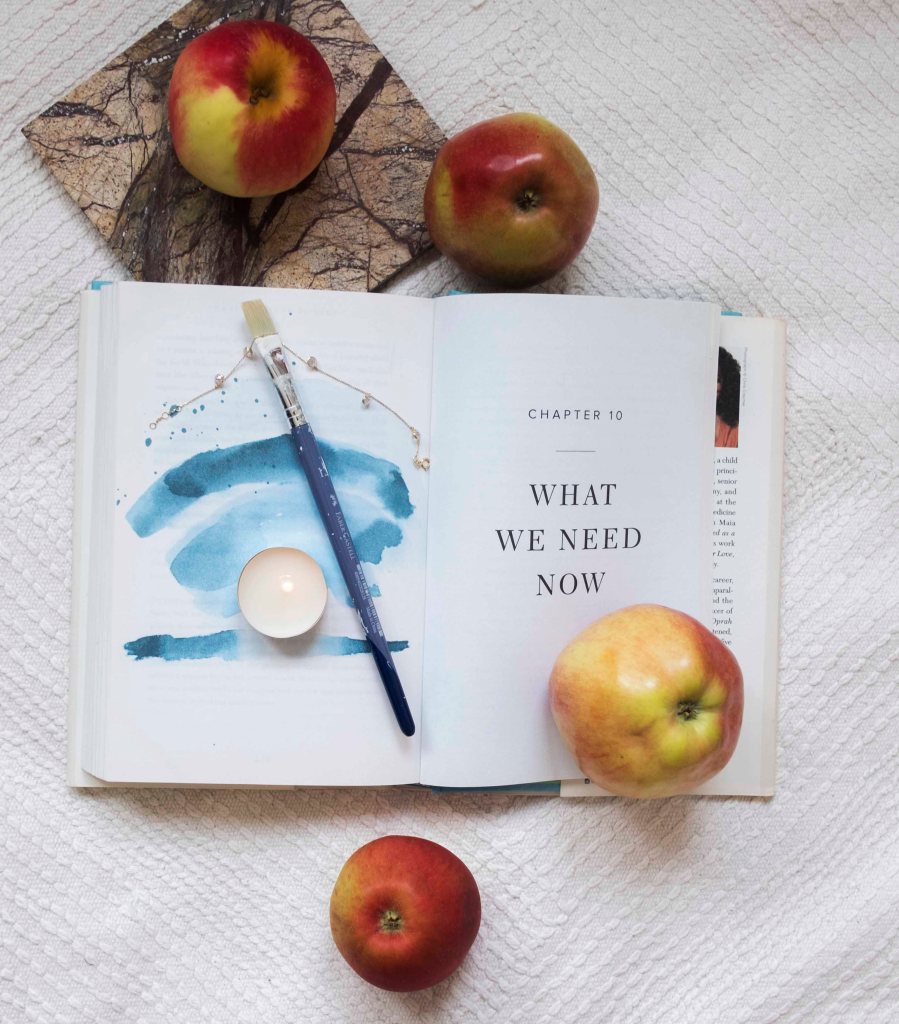
Written by Oprah Winfrey and Dr. Bruce D. Perry, this book is a gem if you want to understand your own trauma. Dr. Perry’s scientific expertise and Oprah’s compassionate storytelling complement each other perfectly, allowing readers to gain both an intellectual understanding and a profound emotional connection to the concepts discussed. The book underscores a crucial point—our earliest years shape who we become, and neglect in these formative years can have lasting impacts on a person’s mental health and relationships.
A powerful moment in the book is when Dr. Perry reveals how critical the first two years of a child’s life are for their emotional and neurological development. “Childhood experiences literally impact the biology of the brain, and as a result, it will affect how you function for the rest of your life.” For a child who experiences neglect—whether emotional, physical, or both—the impact can echo throughout their adult life, making it difficult for them to form healthy relationships or regulate their emotions.

Neglect isn’t just a failure to feed or clothe a child; it can also be emotional neglect, which is often harder to recognize. Imagine a mother overwhelmed by stress, struggling with personal issues that leave her emotionally drained. Despite her best intentions, she may be unable to offer the love and care her child needs. They can have a heated argument and the mother just walks away, leaving the child feeling confused. As Oprah aptly points out, “We shouldn’t be walking away from a conversation in rage; we should regulate ourselves. Repair the ruptures. Reconnect and grow. When you walk away, everybody loses.”
The Impact of Early Trauma on Relationships
The book illustrates how childhood trauma manifests in adult relationships. People who’ve experienced neglect or abuse in their early years might find themselves reenacting unhealthy dynamics as adults. They may sabotage their relationships, expecting conflict or even abuse, simply because that was what was familiar. “If you come from an abusive background, you might be in a relationship with someone who is abusive because it’s familiar,” Dr. Perry explains. This familiarity, though painful, can feel like comfort for someone who hasn’t learned to expect healthier dynamics.
Oprah shares her own painful experiences, including how books became a means of escape and healing during her difficult childhood. She emphasizes the importance of not just professional therapy but also personal connections: “The acknowledgment of one human being by another is what bonds us. Asking ‘what happened to you?’ expands the human connection.”
Emotional Regulation and Healing
One of the most striking insights from the book is the idea of emotional regulation. Dr. Perry explains that when someone is emotionally dysregulated—such as when they’re angry—they literally cannot access their smart brain, the cortex, making it difficult to engage in rational conversation. “When you’re angry, you can’t reason with yourself, and you certainly can’t reason with anyone else,” he notes. This insight shows why it’s so hard to have meaningful conversations when emotions are running high. The ability to regulate emotions and reconnect after a rupture is key to building stronger relationships.
But it’s not just about therapy. “The most powerful and enduring human interactions are often very brief,” Dr. Perry shares. These small moments of connection—whether through a hug, a kind word, or simply being present—are what help to rebuild trust and resilience.
The Influence of Technology on Human Connection
The book also addresses modern challenges, like the impact of technology on our relationships. Dr. Perry and Oprah emphasize the importance of face-to-face interactions. Too often, we are distracted by our phones, missing out on the depth of human connection. “Disconnection is disease. We’re all too attached to our phones. No one even makes eye contact anymore. There’s more texting, tweeting, and posting, but less actual conversation.” This detachment, particularly when it comes to parenting, can create more emotional damage, especially for children who lack the relational buffering necessary for healthy emotional development.
Dr. Perry further explains, “If someone has a life with chaotic, uncontrollable, or extreme and prolonged stress, particularly early in life, they’re more likely to act before thinking. Their cortex is not as active, and reactivity in the lower areas of the brain becomes more dominant.” The emotional toll this takes on both parents and children cannot be overstated.

The Healing Power of Relationships
Ultimately, What Happened to You? is about the importance of relationships in healing. Whether it’s through therapy, supportive friendships, or romantic partnerships, the capacity for healing is rooted in the connections we maintain with others. The book offers hope that, with time and effort, even those who have endured the greatest traumas can rebuild their lives and form healthy, lasting bonds. “The journey from traumatized to typical to resilient helps create a unique strength and perspective,” says Dr. Perry. “That journey can create post-traumatic wisdom.”
Healing doesn’t come overnight, but with support, therapy, and patience, anyone can learn to regulate their emotions, break unhealthy patterns, and build new, stronger connections.
Final Thoughts
What Happened to You? is a beautifully insightful exploration of trauma, resilience, and healing. It challenges us to look beyond the behaviors of others and ask, “What happened to you?” By understanding the deep roots of a person’s actions, we can foster empathy, healing, and healthier relationships. It’s a must-read for anyone seeking to understand themselves better, heal from past wounds, or simply build stronger emotional connections.


Leave a comment