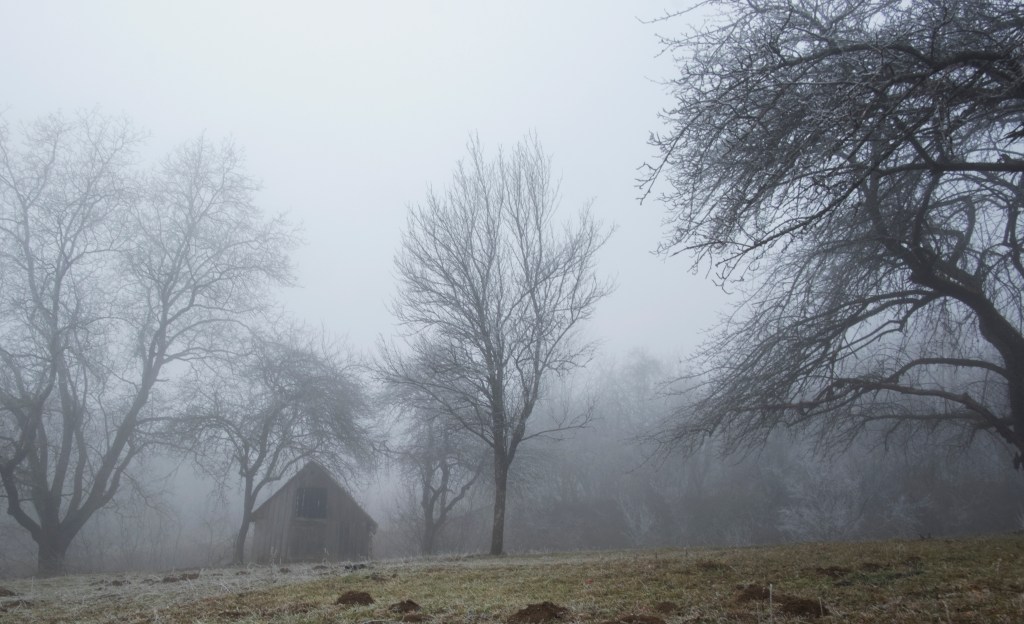
Every time I walk into the embrace of nature, the chaos of daily life begins to dissolve. In the symphony of birdsong and the rustling of leaves, I am reminded of the fundamental rhythm of existence—so often drowned out by our worries. We rush through days weighed down by trivial anxieties, most of which—perhaps a staggering 80%—never come to pass. Yet, in a blink, decades slip by, leaving us to ponder: What have I truly done with my life?
Now, before you sense the stirrings of an existential crisis lurking in these words, let me reassure you. I do not intend to plunge into despair. Rather, I seek to grasp life as it is, raw and unfiltered. Aren’t we all, in some quiet corner of our being, trying to do the same?
When I pause to admire the trees, their branches stretching toward the heavens, a wave of stillness washes over me. In this fleeting moment, I am truly present. My thoughts dissipate into the cool breeze, and I need nothing. I have everything. In their ancient silence, the trees seem to hold a secret—their wooden bodies will outlive me. Long after I’m gone, another soul will stand where I stand now, gazing at these towering beings and wondering: What will I do with my life?
Time, that elusive thread, slips through our fingers like water. In an instant, years collapse into memories. I recall the urgency of youth, the fresh energy of turning eighteen, but that moment feels both distant and immediate, as if it happened just yesterday and an eternity ago. I am aging, yes. But age is not my dilemma. Time itself, the relentless march toward the unknown, holds my thoughts in its grip.
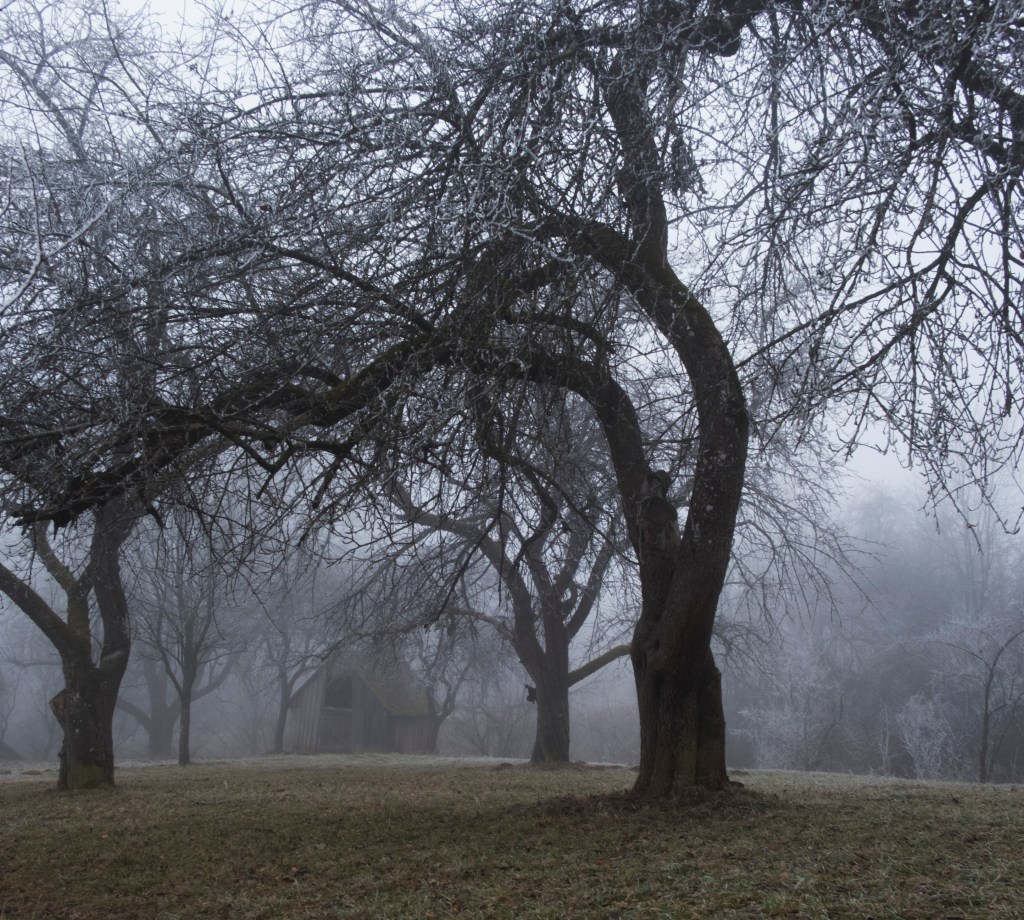
Yet, as I look upon the trees, I am reminded that life is fragile. The same trees I admire could be felled, transformed into furniture or forgotten wood, because of the whim of another human being. And thus, the moment I cherish now, a rare and precious encounter, may slip away forever, just as time does. The irony is unavoidable: I am concerned with preserving something that may, like me, meet an untimely end.
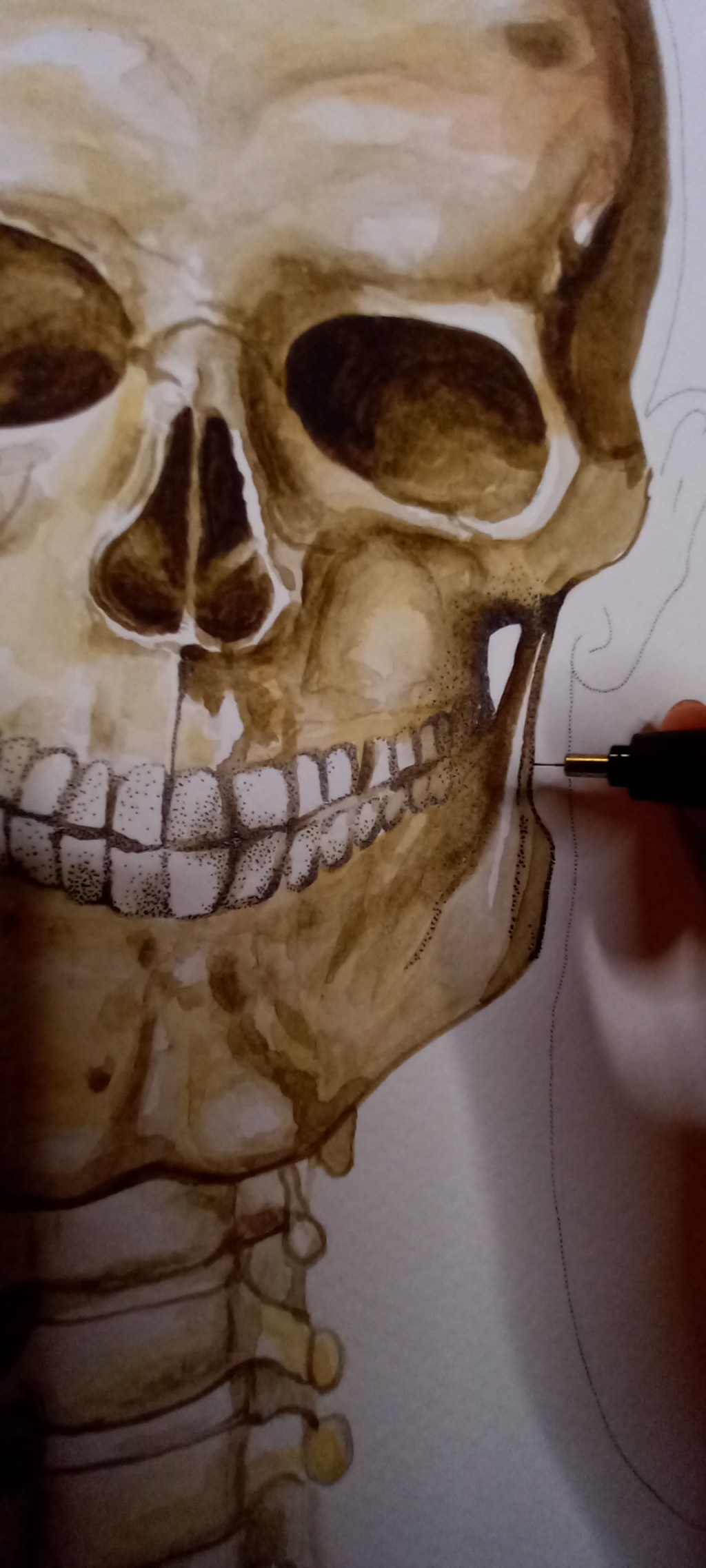
There is a constant in life: death. Every day, cells within our bodies die and regenerate. In nature, there is no room for weakness—the world insists on survival. We often shy away from the concept of mortality, as though it would tarnish our joy. But death surrounds us, not only in the decay of bodies but in the quiet deaths of ideas, dreams, habits, and friendships. The inexorable cycle of life and death, often hidden in plain sight, teaches us one undeniable truth: nothing lasts forever.
Perhaps it is our fear of death that makes us less appreciative of the preciousness of life. We act as though we have infinite time, as though we are untouchable. In the quantum fabric of existence, perhaps time stretches infinitely. Yet in the physical realm, we are forever racing against the ticking clock, inching closer to that inevitable end.
Sometimes, I find it philosophically grounding to visit cemeteries, where the weight of human history lies buried beneath the earth. Each soul that rests there was once vibrant—capable of love, hate, joy, and regret. They are gone now, indistinguishable from the soil they return to, leaving behind nothing but memories and a shared fate. In the grand narrative of time, who truly cares about the conflicts, the victories, or the vanities? Life, in its complexity, is but a brief flicker in the expanse of eternity.
Is it worth losing our minds over being “right”? Is it worth fighting to make others suffer for a fleeting sense of justice? In the face of death, these questions shrink to mere whispers. Our daily struggles, when viewed from a higher vantage point, become laughable, absurd. The notion of “right” and “wrong” constantly shifts with the tides of culture and history. What was once deemed righteous may today seem outlandish. Thus, perhaps we ought to question the righteousness of our actions, for in the end, we are all equal in the eyes of time.
We humans, perhaps out of self-preservation, avoid confronting the truth of our mortality. We cloak ourselves in the comfort of illusion, believing that if we don’t acknowledge death, we might somehow escape its grasp. But avoiding death does not delay it. Ignoring it does not make life any longer. Perhaps, if we allowed ourselves the freedom to face mortality head-on, we would live more fully. If we knew that tomorrow was our last, would we argue with our loved ones? Would we waste time with petty disputes? Or would we, instead, reach out with a renewed sense of compassion and connection?
Death, I believe, is not something to fear but something to embrace as a teacher. When we acknowledge our impermanence, we become more present, more aware of the preciousness of each fleeting moment. Perhaps, if we could grasp the truth of our mortality, we would stop taking life—and each other—so for granted. The real danger lies not in contemplating death, but in becoming numb to its inevitability, in living as though tomorrow is promised. Millions of lives will be extinguished tomorrow. How many will truly live today?
Imagine, for a moment, that tomorrow is your last. What would you regret not doing? What dreams have you buried, convinced you have more time? We all have our forgotten aspirations, the skeletons of hopes we left to gather dust. But it’s not too late to dig them up. To breathe life back into them. Time, after all, is as much a teacher as it is a thief. It gives us the gift of awareness and the call to act before it slips away.
So let us walk, not just through nature, but through the fullness of life—with eyes wide open, embracing the duality of life and death. Let us learn to live deeply, knowing that each step we take brings us closer to the inevitable. And in this awareness, let us find the courage to truly live.


Leave a comment