
The educational system, from schools to the workplace, continues to operate in a way that feels outdated and overly rigid. One of the most persistent issues is the linear approach to learning and work. This is something I’ve noticed in my own experiences, and I’m not alone in thinking that schools, in particular, need significant reform to align with the needs of modern society. Sir Ken Robinson’s Out of Our Minds: Learning to Be Creative deeply resonated with me and helped clarify these thoughts.
In his book, Robinson critiques how the traditional education system—shaped centuries ago—has brought us to a point of frustration and stagnation. He explains how the industrial revolution influenced the creation of mass public education systems designed to prepare children for factory work, not to nurture their individuality or creativity. As Robinson insightfully points out, “Mass systems of public education were developed primarily to meet the needs of the Industrial Revolution and, in many ways, they mirror the principles of industrial production. They emphasize linearity, conformity and standardization. One of the reasons they are not working now is that real life is organic, adaptable and diverse.”
A crucial part of Robinson’s argument revolves around dismantling the myth that creativity is a rare, almost divine trait reserved for a few exceptional individuals—often depicted as disheveled artists. In reality, creativity is not an innate gift but a skill that can be developed by anyone, regardless of their background. Robinson writes, “Being creative is not only a matter of inspiration. It requires skill, craft in the control of materials and a reciprocating process of critical evaluation. These are abilities that can be taught.” Creativity is not an abstract concept, but a practical process that anyone can learn, provided they’re in the right environment. Unfortunately, many schools and workplaces still function according to outdated industrial principles that suppress creativity. As Robinson notes, “From the outset, education systems in Europe and North America were designed to meet the labor needs of an industrial economy based on manufacturing, engineering, and related trades, including construction, mining, and steel production.” This mindset extends into the workplace, where employees are often disengaged, having been conditioned from an early age to accept a rigid, uninspiring environment.
One of the key issues Robinson highlights is how the current education system disregards the emotional and psychological needs of students, treating them as mere units to be processed through age-based groups. He points out the absurdity of grouping children solely based on their age, stating, “Typically they move through the system in age groups: all the 5-year-olds together, all the 6-year-olds together and so on, as if the most important things that children have in common is their date of manufacture.” This lack of attention to the individual needs of students leads to disengagement, which is compounded by the focus on academic results over emotional and creative development. The system values subjects like mathematics and science while relegating the arts—such as theater and dance—to the bottom. The failure to see the arts as integral to education has led to the stifling of millions of creative minds who would have flourished with a more diverse curriculum. Robinson argues, “Making music, painting pictures, involvement with drama and writing poetry are not associated with academic ability.” If any other institution had such a poor track record and feedback, it would be overhauled, yet our education system continues to operate under outdated industrial models.
Creativity is also closely tied to the environment in which people find themselves. Just as plants need the right soil to grow, people need the right conditions to discover and nurture their creative potential. Robinson emphasizes this, saying, “When people find their medium, they discover their real creative strengths and come into their own. Helping people to connect with their personal creative capacities is the surest way to release the best they have to offer.” It’s crucial that we encourage children to engage in activities that bring them joy—activities that foster creativity and collaboration, not simply sitting still for hours in lecture-based classrooms. Schools must recognize and support different learning styles, and redefine creativity as a process of “applied imagination.”
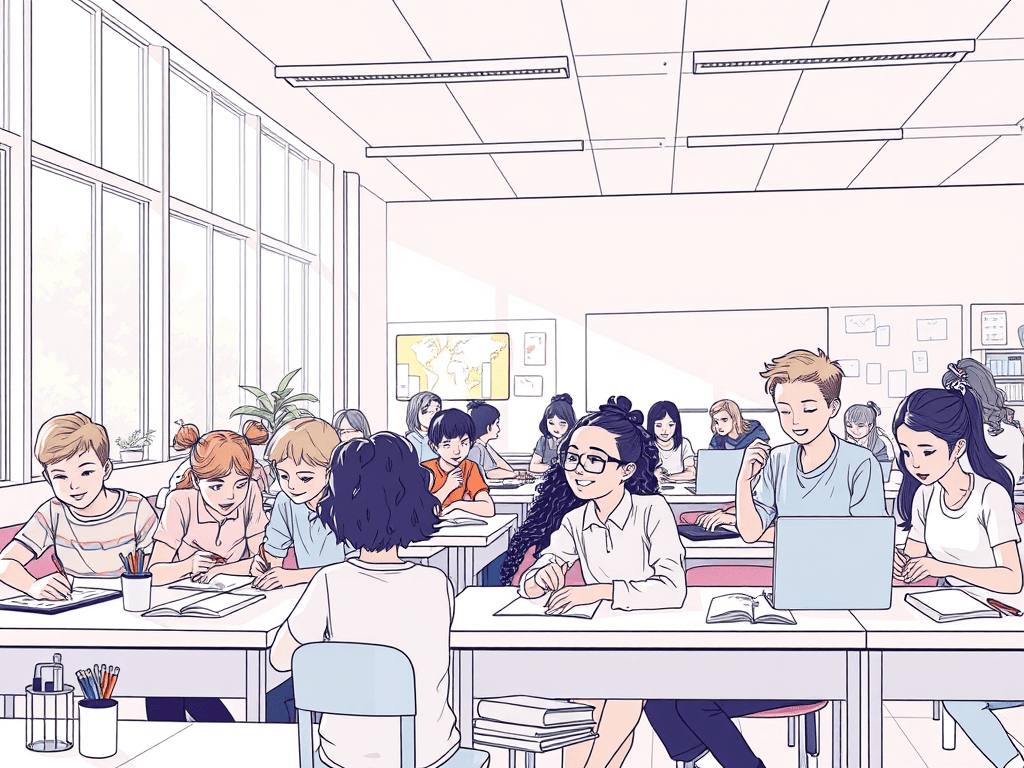
Collaboration is another vital aspect of creativity, yet traditional school structures often promote competition and individualism. Robinson discusses how school architecture, furniture, and curriculums should be redesigned to encourage teamwork and creativity. He critiques the outdated design of office spaces as well, stating, “The traditional design of office buildings and spaces is rooted in the nineteenth-century model of industrial work. When the emphasis is on efficient processing of tasks, the principal considerations in the workplace become productivity, maximum occupancy and uniformity. These are hardly the right environments for stimulating imagination, creativity and innovation.” The myth of the “lone genius” needs to be debunked. As Robinson reminds us, “The image of the lone genius can be misleading. Original ideas may emanate from the creative inspiration of individual minds, but they do not emerge in a cultural vacuum. Only in the most exceptional circumstances do individuals live apart from and wholly unaffected by culture. Individual creativity is almost always stimulated by the work, ideas and achievements of other people. As Isaac Newton famously said, if he saw further than others, it was because he stood on the shoulders of giants.”
For real change to occur, we must first change the educators themselves. Robinson advocates for a shift in hiring practices, where teachers are selected not only for their academic qualifications but also for their ability to connect with students and foster a creative environment. As he poignantly states, “Too many teachers are hired for knowledge of their discipline rather than their interest in students.” A teacher who lacks the ability to inspire and emotionally engage with students is a disservice to their potential. Instead, we need educators who embrace creativity and leadership, who know how to build dynamic, innovative teams. According to Robinson, a creative leader must focus on three areas: personal, group, and cultural. A truly creative educational environment is one where students feel safe to take risks, where ideas are nurtured, and where collaboration thrives. Robinson summarizes this ideal, saying, “A creative organization, as Peter Richards puts it, ‘is first and foremost a place that gives people freedom to take risks; second it is a place that allows people to discover and develop their own natural intelligence; third it is a place where there are no ‘right’ answers; and fourth, it is a place that values irreverence, the lively, the dynamic, the surprising, the playful.”
Ultimately, a shift in educational paradigms is essential for the future of both individuals and society. If we are to adapt to the digital age and cultivate a generation of innovative thinkers, we must rebuild the way we educate and work. As Robinson boldly concludes, “No school is better than its teachers.” This uncomfortable truth challenges us to rethink the entire system. If we are serious about fostering creativity and preparing students for a rapidly changing world, it’s time for an overhaul that values individuality, creativity, and emotional intelligence just as much as academic achievement.
The future depends on our ability to rethink the structures that have governed education for centuries. It’s time to break away from outdated models and create a learning environment that encourages exploration, creativity, and collaboration—one that prepares students not just for the industrial past, but for the creative future ahead.




Leave a comment